
October 13, 2026 · Neighborhood Guide
Best Neighborhoods in Monroe, Ohio: Where New Construction Meets I-75 Convenience
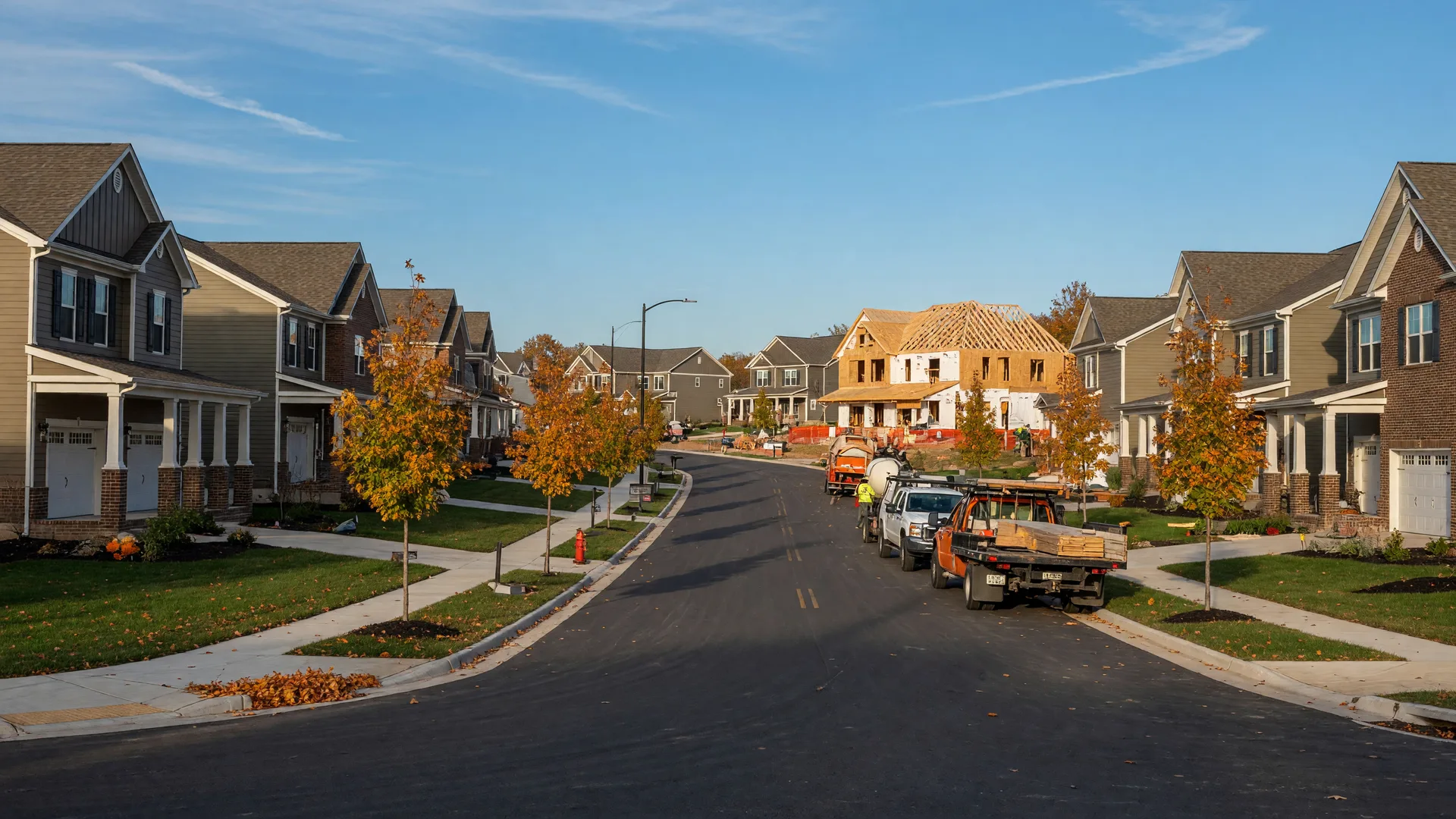
Monroe, Ohio is one of Greater Cincinnati's fastest-growing cities, straddling Butler and Warren counties about 30 minutes north of downtown Cincinnati on the I-75 corridor. For buyers in 2026, the best neighborhoods are a mix of brand-new Drees and Ryan communities on the city's edges and established, tree-lined streets closer to the historic core. Here is a clear, honest read on where to look and what each pocket offers.
Why Monroe Keeps Growing
Monroe's growth is not a rumor, it is a census fact. The city grew from 12,442 residents in the 2010 Census to 15,460 in 2020, and the U.S. Census Bureau estimated the population at roughly 15,880 as of July 2025, an increase of about 30 percent since 2010. That pace puts Monroe among the fastest-growing communities in the Cincinnati metro, and the demographics explain why: a median household income around $105,000 and a median age near 36, a profile that reads as working families and young professionals settling in.
Location is the engine. Monroe sits directly on I-75 at Ohio 63, roughly halfway between Dayton and Cincinnati, with West Chester and Liberty Township to the south and Middletown to the north. That puts a huge share of the region's jobs within a 30-minute drive, which is why the city keeps showing up on relocation shortlists. You can compare Monroe against the wider metro on our Greater Cincinnati region guide, and see how nearby Warren County communities like Lebanon fit into the same search.
The New Construction Communities to Know
New construction is the headline story in Monroe, and Drees Homes carries most of it. Estates of Monroe Crossings is a 181-home community with builder pricing from roughly $558,000 to $760,000, while the Stonybrook family of communities, Stonybrook Reserve, Stonybrook Estates, and Stonybrook Crossing, starts in the mid-$500,000s and steps up from there. At the top of the range, Losh Landing lists from around $885,000, and Ryan Homes' Summer Brooke gives buyers a more entry-level path into the market.
What buyers should understand about these communities is that the advertised base price is only the start. Lot premiums, elevation options, finished basements, and structural upgrades routinely add tens of thousands to the final number, and closing timelines run from six to twelve months depending on the phase. If you want to move this year, resale inventory matters as much as new construction, which is exactly the trade-off our buyer guides walk through step by step.
Established Neighborhoods and the Historic Core
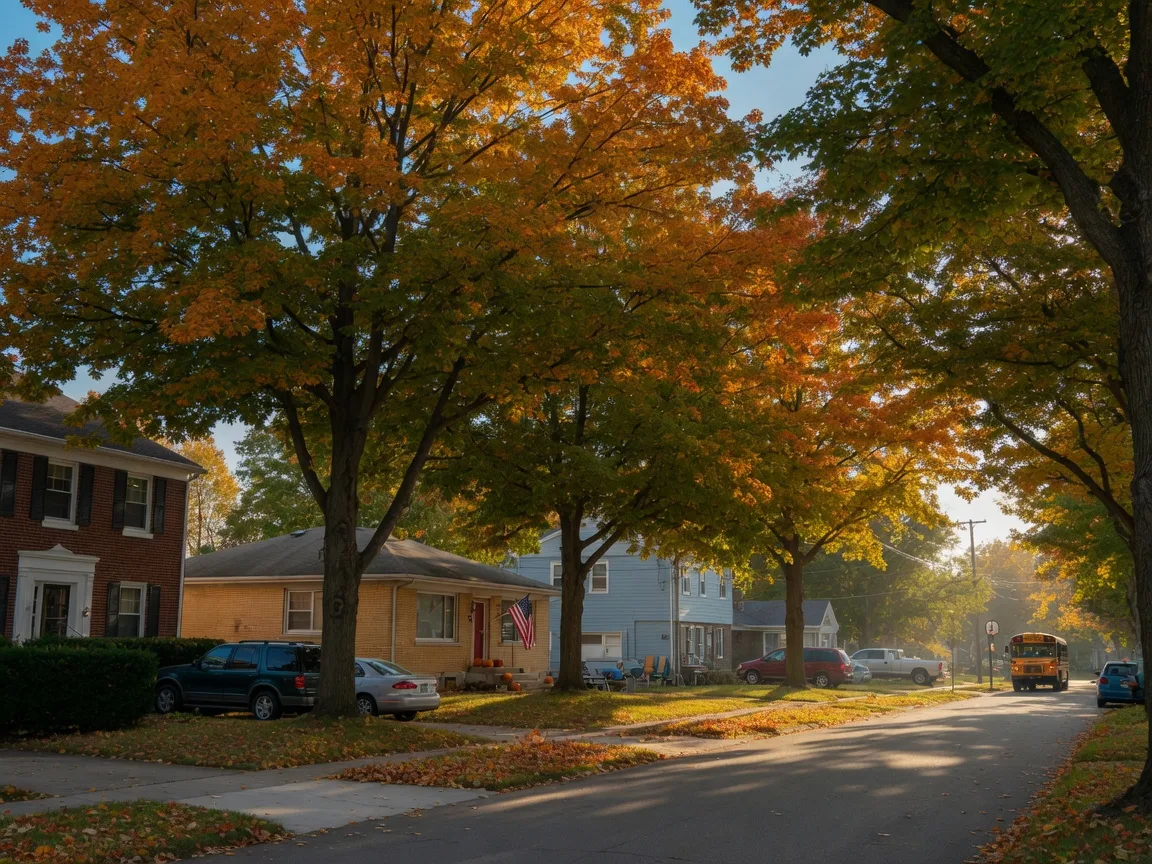
Not every buyer wants a brand-new build, and Monroe's older streets hold real value. Around the historic core near Ohio 63 and the I-75 interchange, you will find brick ranches, split-levels, and modest colonials on mature, tree-lined lots, often at meaningfully lower price points than the new communities. These homes trade newer finishes for location: quicker access to the shops and restaurants along Ohio 63, shorter drives to the interstate, and established neighborhoods with sidewalks and neighborhood schools within walking distance.
For families, the trade-off is usually square footage versus school and commute. The established stock tends to offer less space than a new Drees floor plan at the same price, but it also comes with no construction timeline and no builder premium. Buyers who want to compare both sides of that equation across the metro should start with our Cincinnati area neighborhoods and narrow from there.
Monroe Local Schools
Monroe runs its own district, Monroe Local Schools, which separated from Middletown in 2000 and now serves roughly 2,900 students in four schools from pre-kindergarten through twelfth grade. The district's testing performance ranks 9 out of 10, putting it in the top 20 percent of Ohio districts, and its single-campus setup on Yankee Road for grades 2 through 12, plus Monroe Primary School on Macready Avenue for pre-K and first grade, keeps the school experience cohesive and community-based.
One practical note: because Monroe straddles two counties, attendance boundaries matter. Confirm the district assignment for any specific address before you write an offer, because homes just outside city limits can feed neighboring districts. That kind of detail is exactly what our West Chester market update and other nearby guides flag community by community.
What the 2026 Market Looks Like
Recent median sale prices across Monroe have ranged from the mid-$300,000s to the low-$400,000s depending on the source and the quarter, with the 45050 ZIP's median home value sitting around $330,000 to $343,000. New construction skews the picture upward: the Drees communities start well above the median, while established resale homes pull it back down. The practical takeaway is that Monroe is not one market, it is a ladder of price points from the low $300,000s to nearly $900,000.
Competition is real but rational. Well-priced new and resale homes attract multiple offers quickly, while anything priced against last year's market sits. Buyers should be pre-approved before touring, and sellers should price against recent comparable sales in their immediate neighborhood, not the new-build price down the street. Our seller guides cover the preparation and pricing strategy that makes a listing convert.
The Bigger Picture: Greater Cincinnati in 2026
Monroe's fundamentals look durable: a top-20 percent school district, a population up roughly 30 percent since 2010, an I-75 location between two major metros, and a new-construction pipeline that keeps the city on buyers' radars. The same story is playing out across Butler and Warren counties, from West Chester to Lebanon to Oxford, each with its own character and price point. For a closer look at the neighboring markets, read our Lebanon market update or Oxford market update.
And whether you are buying, selling, or just starting the search, the advantage of working with agents who live and sell in the region every day is the same in Monroe as everywhere else we serve. Local expertise is what turns a busy market into a manageable one, whichever side of the contract you sit on. If you are an agent reading this and wondering what an independent model means for your career, see why agents are joining Glasshouse across Ohio on our join us page.
The Bottom Line
Monroe, Ohio pairs one of the Cincinnati metro's fastest growth rates with a top-20 percent school district, an I-75 location between Dayton and Cincinnati, and a housing market that ranges from entry-level resale to $885,000 new construction. The best neighborhood for you depends on whether you want a brand-new Drees community, an established street near the historic core, or something in between. The 2026 market rewards prepared buyers and precisely priced sellers, and that is the difference a strong local agent makes.
Frequently Asked Questions
Is Monroe, Ohio a good place to live?
Yes. Monroe combines one of the Cincinnati metro's fastest growth rates, with population up about 30 percent since 2010, a top-20 percent Monroe Local Schools district, a median household income around $105,000, and an I-75 location roughly 30 minutes from both Cincinnati and Dayton. It is consistently one of the most in-demand communities in Butler and Warren counties.
What is the median home price in Monroe, Ohio?
Recent median sale prices across Monroe have ranged from the mid-$300,000s to the low-$400,000s depending on the source and quarter, with the 45050 ZIP's median home value around $330,000 to $343,000. New construction communities from Drees and Ryan Homes start higher, from roughly the mid-$500,000s up to about $885,000.
What are the best neighborhoods in Monroe, Ohio?
The Drees communities, including Estates of Monroe Crossings, the Stonybrook family, and Losh Landing, anchor the new-construction market, while Ryan Homes' Summer Brooke offers a more entry-level path. Established, tree-lined streets near the historic core and Ohio 63 hold the resale inventory, often at meaningfully lower price points.
What schools serve Monroe, Ohio?
Monroe Local Schools serves the city with four schools from pre-kindergarten through twelfth grade, about 2,900 students, and a testing ranking of 9 out of 10, in the top 20 percent of Ohio districts. Because Monroe straddles Butler and Warren counties, buyers should confirm the attendance boundary for any specific address.
Published October 13, 2026 · Updated October 13, 2026
Thinking about buying or selling in Monroe?
Get a no-pressure, data-backed read on Monroe's market, what your home is worth, or which neighborhood fits your family best. We know Butler and Warren counties and the Greater Cincinnati corridor. And if you are an agent wondering what an independent model means for your career, see why agents are joining Glasshouse across Ohio.
Exploring Monroe, Ohio?
Whether you're buying, selling, or just weighing the move, a Glasshouse agent can show you the real Monroe market and the neighborhoods that fit your life.
No pressure, no guesswork. Just honest, local answers from a team growing across Greater Cincinnati, Southwest Ohio, and beyond.
Schedule a Consultation