
July 13, 2026 · Buyer Tips
How to Negotiate Repairs After a Home Inspection in Dayton, Ohio
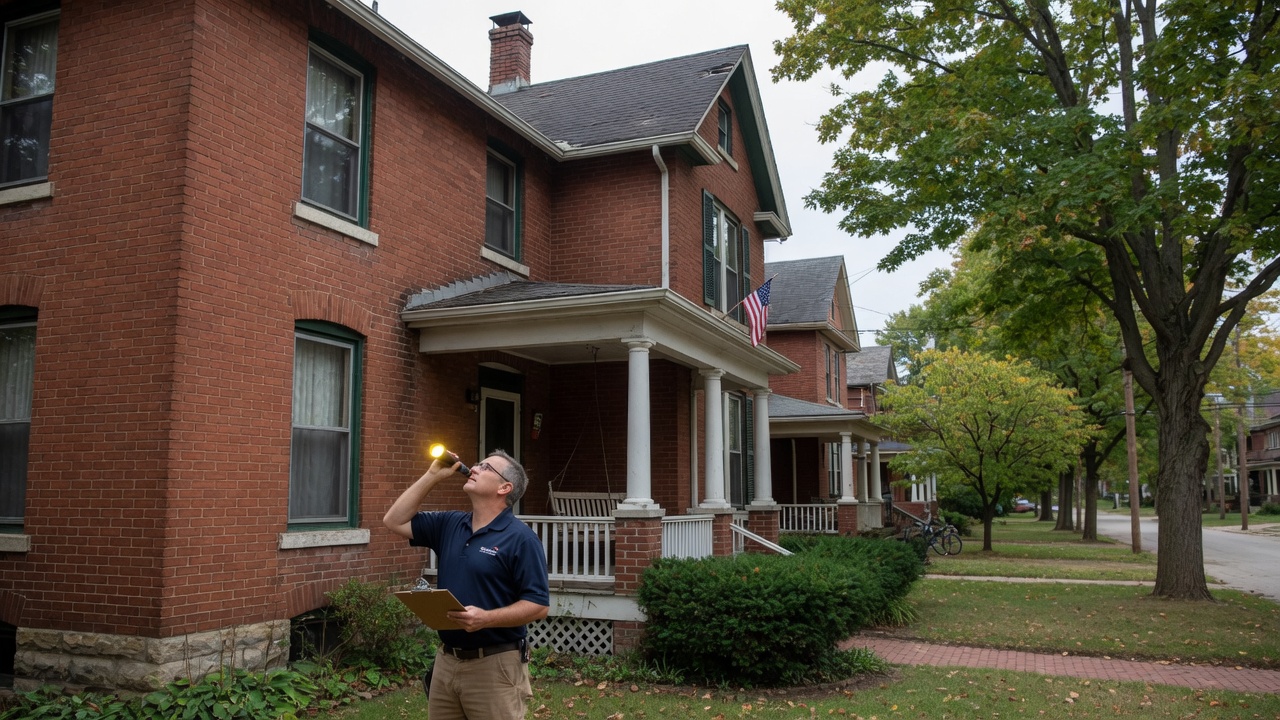
The home inspection is done. You've got a 40-page report in your hands with photos, notes, and a list of findings that ranges from cosmetic to concerning. Now what? In the Dayton area, where older housing stock and clay-heavy soil create real conditions that show up on nearly every inspection, knowing how to negotiate the results is just as important as getting the inspection itself. Here's how to turn inspection findings into smart, fair negotiation outcomes.
Why Negotiating After Inspection Matters
In Ohio's purchase agreement, the inspection contingency gives you a defined window — typically seven to ten days — to review findings and respond. You have three options: ask the seller to make repairs, request a closing cost credit or price reduction, or walk away from the deal entirely. Most transactions don't fall apart at this stage. Instead, they enter a negotiation phase where buyer and seller work toward a fair adjustment.
The key is knowing which findings carry real weight and which ones don't. Every home has inspection items. The question is whether those items materially affect the value, safety, or livability of the property — and whether the seller is reasonable about addressing them.
What's Worth Negotiating
Not every inspection finding is negotiation leverage. Experienced buyers and their agents focus on issues that are expensive to fix, affect safety, or indicate a bigger problem beneath the surface. Here's what typically warrants a conversation:
Major Systems at End-of-Life
A furnace or air conditioner that's past its expected lifespan is one of the strongest negotiation points. Replacing a full HVAC system in the Dayton area runs $8,000 to $15,000. If the unit is 18 years old and on its last legs, a seller credit of $5,000 to $8,000 is a reasonable ask — and most sellers understand why. Similarly, a roof with fewer than three years of remaining life, a water heater approaching replacement, or a garage door opener that's failing are all legitimate negotiation items.
Active Water or Moisture Issues
In the Dayton area, basement moisture is extremely common due to clay-heavy soil and freeze-thaw cycles. But there's a difference between minor humidity and active water intrusion. If the inspector finds water stains, efflorescence on foundation walls, or standing moisture, that's worth negotiating. A sump pump installation costs $1,000 to $2,500. Interior waterproofing runs $5,000 to $10,000. The scope of the fix should match the size of the credit you request.
Electrical or Safety Concerns
Outdated electrical panels, exposed wiring, missing GFCI outlets in wet areas, or a non-functioning smoke detector system are safety issues that sellers are generally expected to address. An electrical panel upgrade costs $1,500 to $4,000. Rewiring a section of the home can run more. These aren't cosmetic complaints — they're safety items, and they carry real weight in negotiation.
Elevated Radon Levels
If the radon test came back above the EPA action level of 4.0 pCi/L, a mitigation system is straightforward to install and costs $1,200 to $2,000. This is a clean, well-understood negotiation item in the Dayton area — almost everyone familiar with the local market knows radon is common and mitigation is standard. Sellers rarely push back on this one.
Foundation or Structural Issues
Vertical cracks wider than a quarter inch, bowing basement walls, or stair-step cracks in brick can indicate active foundation settlement. These are expensive problems — structural repairs can range from $5,000 for minor piering to $30,000+ for full foundation work. If the inspection flags a structural concern, bring in a structural engineer ($400 to $800) before negotiating. A written engineering report gives you credibility and a specific number to work with.
What's Usually Not Worth Negotiating
Sellers expect buyers to ask about big-ticket items. They're less receptive to requests that feel like nickel-and-diming. Here are findings that are typically part of normal homeownership — and generally not worth a formal repair request:
- Cosmetic wear and tear — scuffed paint, worn carpet, minor drywall dings
- Minor caulk gaps or weatherstripping that needs replacing
- Hairline foundation cracks that are clearly cosmetic and stable
- Minor code items that don't affect safety (like a missing outlet cover)
- Appliances at normal age — a 10-year-old dishwasher or microwave
How to Structure the Request
There are three main approaches to negotiation after inspection, and the right one depends on the situation:
1. Ask the Seller to Make Repairs
You specify exactly what you want fixed — "replace the HVAC system" or "install a radon mitigation system." The seller handles it before closing. This works well when the seller is reputable and the repair is straightforward. The downside: you can't verify the quality of the repair until after closing, and some sellers rush to check a box rather than fix the issue properly.
2. Request a Closing Cost Credit
Instead of asking the seller to fix something, you ask for a dollar amount off the closing costs or off the purchase price. This is the most common approach in the Dayton market because it keeps the transaction simple. You get the cash to address the issue on your own terms, on your timeline, with a contractor you choose. Most sellers prefer this because it avoids the uncertainty of repair quality.
3. Reduce the Purchase Price
A price reduction has the same financial effect as a closing cost credit but shows up differently on your mortgage. A lower purchase price means slightly lower property taxes and a smaller loan balance — which saves you money over the life of the loan. If the issues are significant, your agent may recommend a price reduction over a credit.
Dayton-Specific Negotiation Realities
The Dayton market has some specific dynamics that affect inspection negotiations. Many homes here were built between 1920 and 1970, which means buyers and sellers both understand that older homes come with older systems. A seller who's owned a 1955 ranch in Kettering for 20 years isn't surprised by a request to replace a 25-year-old furnace. That shared context makes negotiation smoother than in markets where buyers expect perfection.
Market conditions also matter. In a balanced or buyer-favorable market — which the Dayton area is seeing more of in mid-2026 — sellers are generally more willing to negotiate on inspection items because they know the buyer has alternatives. In a tight seller's market, buyers may need to be more strategic about what they ask for and how much they push. A good local agent reads the room and knows when to press and when to hold steady.
The Bottom Line
A home inspection is only as valuable as the negotiation that follows it. In the Dayton area, where older homes, clay soil, and regional conditions create predictable inspection findings, knowing what's worth fighting for — and what's not — saves you time, money, and stress. Glasshouse agents help you interpret every line of the report, build a clear and fair request, and negotiate the outcome that protects your investment. That's the difference between an inspection that feels like a speed bump and one that sets you up for a confident closing.
Frequently Asked Questions
How much should I ask for after a home inspection?
Focus on material issues — items that cost more than $1,000 to fix or affect safety. A reasonable request targets specific, documented findings with realistic cost estimates. Asking for $15,000 in credits for a $2,000 repair will undermine your credibility. A Glasshouse agent helps you build a request that's backed by real numbers and local contractor quotes.
Can the seller refuse to make any repairs?
Yes — sellers can reject any or all repair requests. If that happens, you can accept the home as-is, negotiate further, or walk away using your inspection contingency. In the Dayton market, most sellers are willing to negotiate on legitimate findings because they know a second buyer will likely raise the same issues.
Is a credit better than asking for repairs?
In most cases, a closing cost credit is the better option. You control the timing, the contractor, and the quality of the work. A seller doing repairs under pressure may cut corners. A credit puts the money in your hands so you can address the issue the right way, after closing, on your schedule.
Published July 13, 2026 · Updated July 13, 2026
Inspection results in hand? Let's talk strategy.
A Glasshouse agent helps you translate inspection findings into a clear, fair negotiation — so you get the home you want at a price that reflects its true condition.
Talk to an AgentHave questions about negotiation or the buying process?
From inspection interpretation to offer strategy — we'll walk you through it.
No pressure, no sales pitch. Just honest answers from people who do this every day.
Schedule a Consultation