
April 8, 2026 · Industry
The Impact of New Construction on the Dayton Resale Market
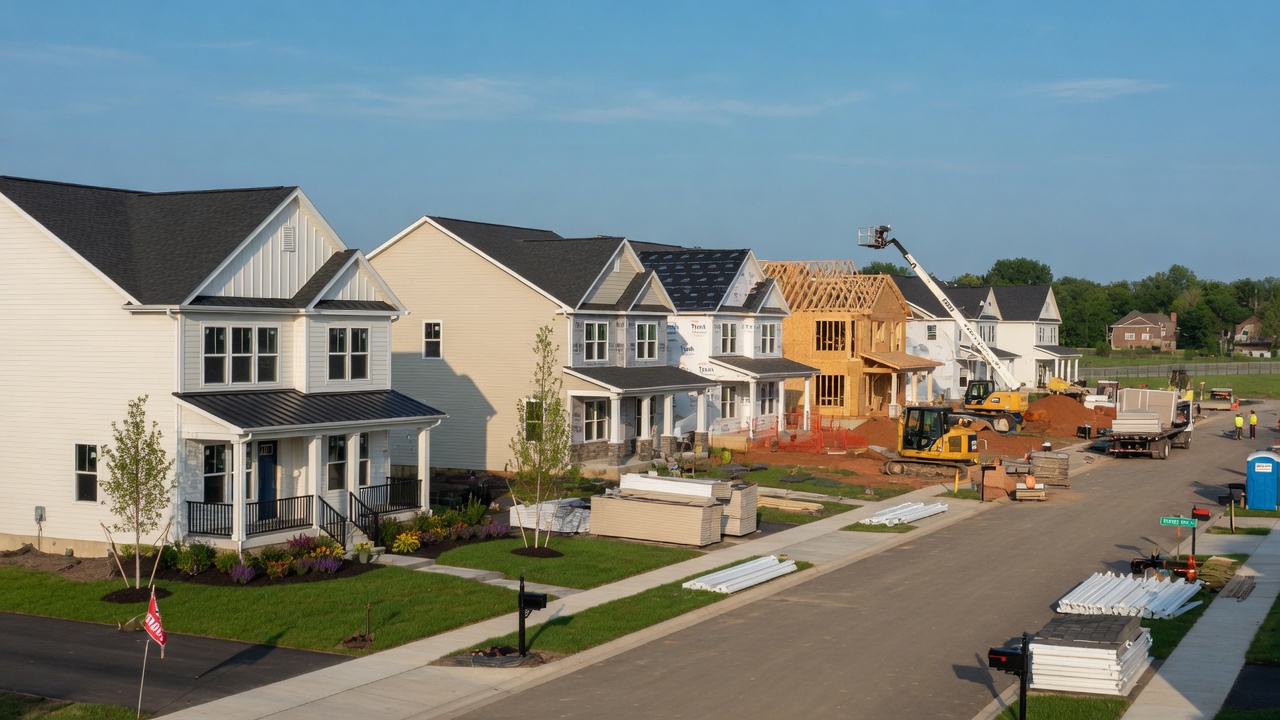
Across the Dayton metro, new subdivisions are popping up everywhere — from the RiverWalk expansion adding 74 new lots to the $70 million, 260-unit workforce housing project in Five Oaks. New construction is changing the landscape, literally. But if you own an existing home, you're probably wondering: does all this new building help or hurt my home's value?
What's Being Built — and Where
The Dayton area has seen significant residential construction activity in the past year. Here's what's happening:
- RiverWalk subdivision — 74 new lots in the Beavercreek area, targeting move-up buyers in the $350K–$500K range.
- Sundance Greens — 48 new homes in a planned community with green space and trail access.
- Five Oaks workforce housing — $70 million, 260-unit multifamily project addressing the affordable housing gap.
- Madden Hills & Fairview — 40 new single-family homes in Dayton's western neighborhoods.
- onMain research district — the 120,000 sq ft "Think Dayton" building, bringing tech and research jobs to the urban core.
The Good News: New Construction Increases Demand
New construction tends to attract buyers who might not otherwise be in the Dayton market — people relocating for jobs, first-time buyers attracted by modern floor plans, and move-up buyers looking for the latest features. These buyers bring new money into the local economy, which supports property values across the board.
New residential and commercial development also signals confidence in the area. When developers invest hundreds of millions in a market, it tells other buyers and investors that growth is real. The onMain research district, the Arcade redevelopment, and new hotel openings all point to a Dayton that's investing in its future.
The Challenge: Competition for Buyers
Here's where it gets nuanced. New construction homes offer compelling incentives — builder warranties, modern energy efficiency, customization options, and sometimes interest rate buydowns. For existing home sellers, that means your home is now competing against a shiny new build with a warranty.
The impact varies by price range and location:
- $350K–$500K range: This is where most new construction is targeting. Existing homes in this range face the most direct competition, especially in Beavercreek and northern suburbs.
- Under $250K: Limited new construction in this range means existing homes face less competition. Starter homes remain in high demand.
- Urban neighborhoods: New construction is mostly suburban, so walkable urban neighborhoods (Oregon District, South Park) face less direct competition.
What Sellers Should Do
If you're selling an existing home and new construction is expanding in your area, here's how to stay competitive:
- Price strategically. Don't compete with new construction on price — compete on location, character, and value. A 1920s Craftsman in South Park isn't competing with a new build in Beavercreek; they're different products for different buyers.
- Update where it counts. Buyers comparing to new construction will notice outdated kitchens, bathrooms, and systems. Targeted updates — not a full renovation — can close the gap.
- Highlight what new builds can't offer. Mature trees, established neighborhoods, character architecture, larger lots, walkability to shops and restaurants. These are genuine advantages.
- Stage and present well. When buyers walk through a model home, it's staged to perfection. Your home needs to make the same emotional impact. Clean, bright, and decluttered wins.
What Buyers Should Know
If you're a buyer weighing new construction against an existing home, here are the trade-offs:
New Construction
- Builder warranty (typically 1–10 years)
- Modern energy efficiency
- Customization options
- No immediate repairs needed
Existing Homes
- Established neighborhoods & mature trees
- Often larger lots and more character
- Closer to urban amenities
- Often better value per square foot
The Bottom Line
New construction is a sign of growth, not a threat. It brings new buyers and new investment into the Dayton area, which supports property values overall. For sellers, the key is understanding your competition and pricing/positioning accordingly. For buyers, both new and existing homes offer genuine advantages. A local agent can help you navigate either path.
Frequently Asked Questions
Does new construction lower existing home values in Dayton?
Generally no. New construction tends to raise overall demand in an area and bring new investment. However, existing homes in the same price range and location as new builds may face more competition. Strategic pricing and presentation can offset this.
Where is most new construction happening near Dayton?
The Beavercreek and Greene County corridor has the most active residential construction, with projects like RiverWalk (74 lots) and Sundance Greens (48 homes). Five Oaks in Dayton is seeing a major $70M multifamily project. Downtown is getting commercial and mixed-use development.
Should I buy new construction or an existing home in Dayton?
It depends on your priorities. New construction offers warranties, modern efficiency, and customization. Existing homes offer established neighborhoods, character, and often better value. Your budget, lifestyle, and timeline should drive the decision. A Glasshouse agent can help you compare specific options.
Published April 8, 2026 · Updated July 10, 2026
New or existing — let's find the right fit.
A Glasshouse agent can help you compare new construction and existing homes — and find the one that matches your budget and lifestyle.
Talk to an AgentQuestions about new construction in the Dayton area?
We know what's being built, where, and how it affects the resale market. Let's talk through your options.
Whether you're buying new or selling existing, we'll give you the full picture.
Schedule a Consultation