
How to Sell an Inherited House in Dayton Ohio: Probate, Timelines and Tax Tips
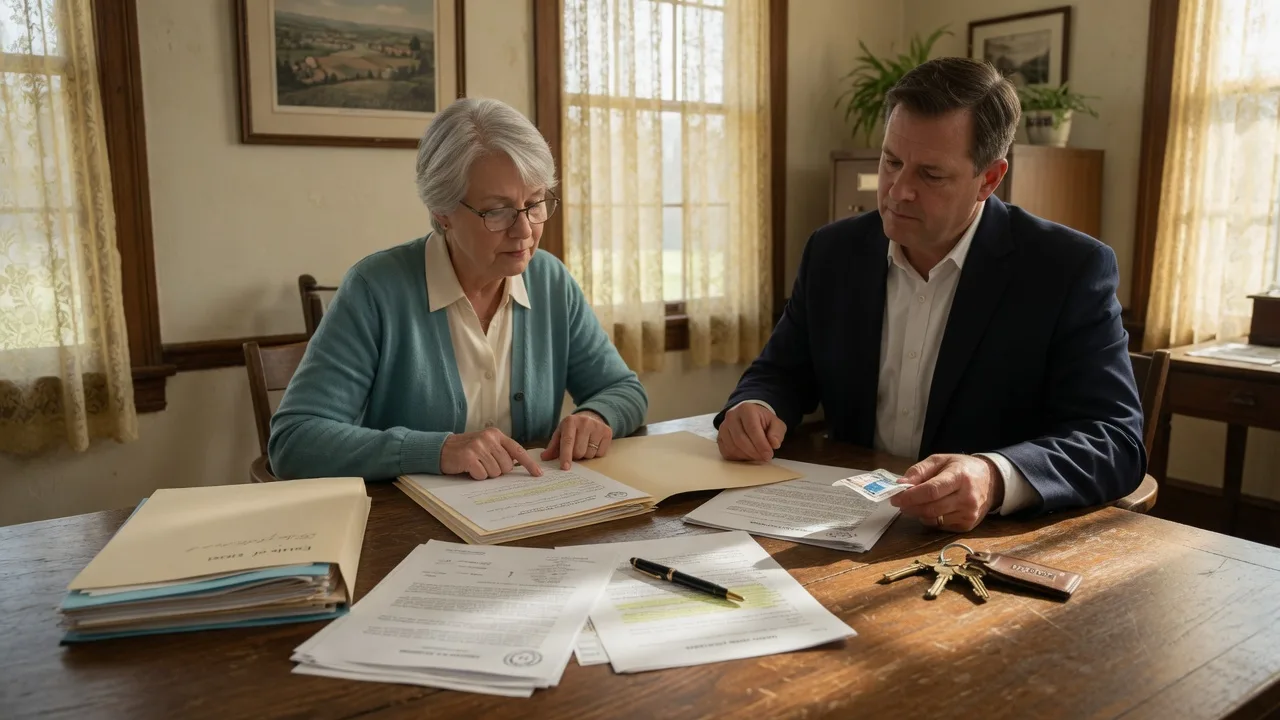
Inheriting a home in the Dayton area can come at an already emotional time, and the legal and financial steps that follow often feel overwhelming. Whether you have been named the executor of an estate or you are one of several heirs trying to decide what to do with a family property in Centerville, Beavercreek, Troy, or another Ohio community, you need a clear roadmap. This guide walks you through the probate process, the executor's role, timelines, and the tax rules that apply when selling an inherited house in Ohio.
Step 1: Open Probate and Appoint an Executor
The first step is filing a petition for probate in the probate court of the county where the deceased lived. If there is a will, the person named as executor files it with the court. If there is no will, the court appoints an administrator to manage the estate. Once appointed, the executor receives Letters of Authority — the legal document that proves they have the power to act on behalf of the estate, including selling real property.
In Ohio, the executor must file a detailed inventory of all estate assets — including real estate — with the probate court within 90 days of being appointed, per Ohio Revised Code Section 2115.02. This inventory establishes what the estate holds and becomes the foundation for everything that follows.
Step 2: Determine Your Authority to Sell the Property
Not every executor has automatic authority to sell a home. If the will includes a power of sale clause, the executor can list the property without additional court approval — a significant time-saver. If there is no power of sale clause, the executor needs either written consent from all heirs, or court approval through a formal land sale proceeding under Ohio Revised Code Section 2127.04.
In the Dayton area, where many inherited homes are older properties in historic neighborhoods like South Park, the Oregon District, or Grafton Hill, getting all heirs on the same page early can prevent months of delay. If heirs disagree on whether to sell, the executor can petition the court for authority to sell even over objections.
Step 3: Get the Property Appraised and Prep for Sale
An appraisal establishes fair market value for pricing the home and for tax purposes. This is especially important in the current Dayton market, where values vary significantly from neighborhood to neighborhood. A home in Oakwood will appraise very differently from a comparable property in Huber Heights or Fairborn, even if they are only 15 minutes apart.
Once the value is established, you will need to decide whether to sell the property as-is or make repairs and improvements. Inherited homes often need significant work — especially older houses in Dayton's historic districts that may have deferred maintenance. A local real estate agent can help you weigh the cost of repairs against the potential return before you invest.
Step 4: List and Sell
The actual sale process follows the same steps as any standard real estate transaction. However, there are a few unique considerations. The executor must keep accurate records of every expense and communication, because the probate court may require a final accounting. Some sales also require court confirmation, where the judge approves the final sale price. Proceeds are deposited into the estate's bank account, and after debts, taxes, and expenses are paid, the remaining funds are distributed to the heirs according to the will or Ohio's intestacy laws.
How Long Does the Probate Process Take in Ohio?
Timelines vary based on complexity, but here is what Dayton-area families can generally expect:
- Small estates (under $35,000, or $100,000 for a surviving spouse) can clear simplified probate in 1 to 4 weeks.
- Standard estates with real estate typically take 6 to 12 months from start to finish.
- Complex or contested estates can extend to 12 to 24 months or more.
The minimum timeline is driven by Ohio's six-month creditor notice period under ORC Section 2117.06. If the will grants a power of sale, you can often list the property within 3 to 6 months. And yes — you can list and accept offers during probate. Proceeds simply must be held in escrow until the estate is formally settled.
Tax Implications: The Good News for Ohio Heirs
Ohio does not impose an inheritance tax or an estate tax at the state level. That alone simplifies things compared to many other states. The federal estate tax only applies to estates exceeding roughly $13.8 million, so it affects virtually no one selling a typical Dayton-area home.
The most important tax rule to understand is the step-up in basis. When you inherit a home, its tax basis resets to the fair market value on the date of the owner's death. That means if the home was worth $200,000 when you inherited it and you sell it for $215,000, you only owe capital gains tax on the $15,000 of appreciation that happened while you owned it — not on the full sale price. Keep good records of the appraisal and any improvements you make, as those can further reduce any taxable gain.
Common Mistakes to Avoid
- Skipping probate. Even if you are the sole heir, you generally cannot transfer or sell real estate without probate in Ohio. The court must authorize the transfer of title.
- Letting property taxes lapse. Property taxes continue to accrue during probate, and unpaid taxes can become a lien on the property. Stay current.
- Not getting enough certified death certificates. Order at least 10 to 15 certified copies upfront. Every institution — banks, title companies, the county auditor, the probate court — will want a certified copy.
- Selling without an appraisal. Without a professional appraisal, you risk pricing the home incorrectly and leaving money on the table — or creating complications with the court.
How Glasshouse Realty Can Help
Selling an inherited home is different from a standard sale. You need a brokerage that understands probate timelines, estate paperwork, and the unique dynamics of working with multiple heirs. At Glasshouse Realty, we guide families through the process with transparency and local market knowledge — from pricing an inherited property in a historic Dayton district to coordinating with attorneys and navigating court-confirmed sales across Southwest Ohio communities.
Need help selling an inherited property?
Call (937) 949-0006 for a free consultation with an experienced local team.
Contact Glasshouse RealtyPublished August 19, 2026
The Difference Is Clear
Local expertise, transparent guidance, and a modern approach to real estate across the Dayton area.
Get Started TodaySelling an inherited home in the Dayton area?
Let our team help you navigate the process with confidence and clarity.
The Difference is Clear.
Schedule a Consultation