
July 1, 2026 · Buyer Tips
By Glasshouse Marketing Team
What to Expect During a Home Inspection in Dayton, Ohio
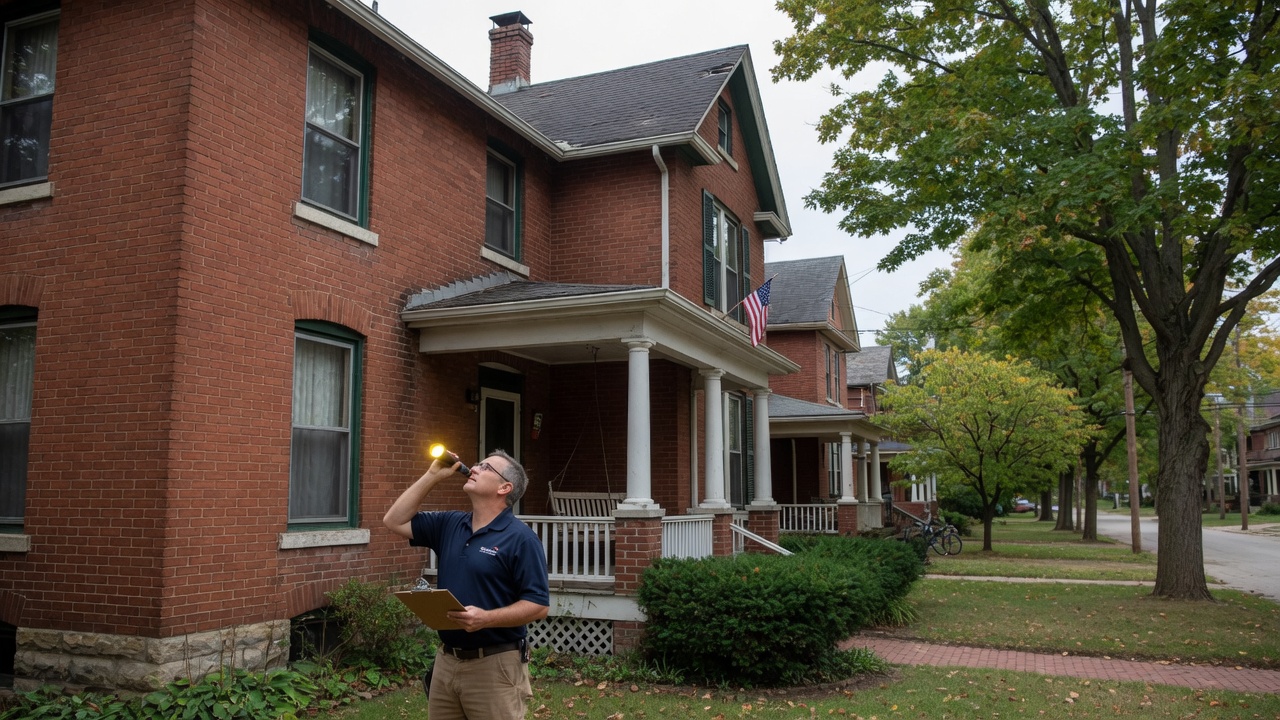
A standard home inspection in Dayton costs $300 to $500 and takes two to three hours, covering the roof, foundation, electrical, plumbing, HVAC, and visible structural elements. In the Dayton area, where many homes were built in the early-to-mid 1900s, there are specific things you should be prepared for -- from outdated electrical systems to basement moisture and radon levels. Here's what a home inspection actually covers and how to use the results to your advantage.
What does a home inspector actually check?
A home inspection is a visual, non-invasive examination of a property's major systems. A licensed inspector will evaluate the roof, foundation, electrical, plumbing, HVAC, insulation, and visible structural elements. The goal is to identify material defects — things that could affect the safety, structural integrity, or value of the home.
In Ohio, inspectors are licensed by the Ohio Department of Commerce. According to the Ohio Department of Commerce's Division of Real Estate and Professional Licensing, a typical inspection takes two to three hours and costs between $300 and $500 depending on the home's size and age. You'll receive a detailed written report — usually 30 to 60 pages — with photos, findings, and recommendations.
What inspection issues are common in Dayton-area homes?
Dayton and its surrounding communities — Beavercreek, Centerville, Kettering, Oakwood, Huber Heights — have a wide mix of housing stock, from 1920s Craftsman bungalows to 1990s suburban builds to brand-new construction. The older the home, the more likely you are to encounter these common inspection findings:
Outdated Electrical Systems
Homes built before 1970 may have knob-and-tube wiring, aluminum branch wiring, or undersized electrical panels (100 amps or less). Modern homes need 200-amp panels to handle today's appliance loads. Replacing an outdated panel typically costs $1,500 to $4,000, and rewiring a section of the home can run higher. This is one of the most common — and most expensive — findings in older Dayton homes.
Basement Moisture and Water Intrusion
The Dayton area sits on clay-heavy soil with a relatively high water table in many neighborhoods. Add Ohio's freeze-thaw cycles and you get a recipe for basement moisture. Inspectors look for efflorescence (white mineral deposits on foundation walls), water stains, musty odors, and active seepage. Minor moisture issues are common and manageable — a sump pump, improved grading, or interior waterproofing system can solve most of them. Costs range from a few hundred dollars for basic drainage fixes to $5,000+ for full waterproofing.
Foundation Settling and Cracks
Some hairline cracks in a foundation are cosmetic and expected in any home over 20 years old. But vertical cracks wider than ¼ inch, stair-step cracks in brick, or doors that won't close properly can signal active settlement. In the Dayton area, expansive clay soil makes this more common. A structural engineer can evaluate whether a crack is cosmetic or structural — a $400 to $800 inspection that can save you from a six-figure repair.
Aging HVAC and Plumbing
An HVAC system past its expected lifespan (15–20 years for a furnace, 12–15 for an AC unit) is a common finding. The inspector will note the age and condition. Similarly, older homes may have galvanized steel or polybutylene pipes, both of which are prone to leaks and may need replacement. A new furnace and AC combo runs $8,000 to $15,000 — important negotiation leverage if the system is near end-of-life.
Radon Levels
Ohio is in a moderate-to-high radon zone, and the Dayton area has elevated radon levels in many neighborhoods. A standard home inspection doesn't include radon testing — it's a separate add-on test that costs $150 to $200. We strongly recommend it for every Dayton-area purchase. If radon tests above 4.0 pCi/L (the EPA action level), a mitigation system typically costs $1,200 to $2,000 to install.
How should I use the inspection report to negotiate?
The inspection report isn't a pass/fail test — it's an informational tool. Every home has findings. The question is: which findings are deal-breakers, which are negotiable, and which are just part of homeownership?
Here's how experienced buyers use the report:
- Negotiate repairs or credits. If the roof has five years left or the HVAC is original, you can ask the seller to repair the issue, offer a closing cost credit, or reduce the price. A good agent knows what's reasonable to ask for and what's not.
- Budget for near-term repairs. Some findings aren't worth negotiating — they're small, affordable fixes you can handle after closing. The inspection report gives you a roadmap for the first year of ownership.
- Walk away when necessary. A cracked foundation, major mold, or a failing roof with no seller willingness to address it — those are valid reasons to use your inspection contingency. The inspection is your protection.
What isn't covered by a standard home inspection in Dayton?
A standard inspection is comprehensive, but it has limits. It's visual and non-invasive — the inspector won't cut into walls, move heavy furniture, or inspect areas that are inaccessible. Things that typically fall outside a standard inspection include:
- Sewer lateral lines (requires a camera scope — $150–$300)
- Septic systems (separate specialty inspection)
- Well water quality (separate lab test)
- Mold testing (unless specifically requested)
- Pest or termite inspections (separate service)
If the home is on a septic system — common in more rural parts of Greene, Warren, and Clark counties — or if you're concerned about a specific issue, your agent can recommend the right specialist.
How do I choose the right home inspector in Dayton?
Not all inspectors are equal. Look for someone who is Ohio-licensed, carries errors and omissions insurance, and has experience with the type of home you're buying. A 1940s brick bungalow in South Park has very different concerns than a 2019 build in Beavercreek. Ask your agent for a referral — a good local agent works with inspectors regularly and knows who gives thorough, honest reports versus who rushes through.
We also recommend attending the inspection in person if possible. Walk through with the inspector, ask questions, and see the issues with your own eyes. Reading a report is one thing — standing in a basement and seeing a hairline crack in the foundation wall tells you more than any PDF ever will.
The Bottom Line
A home inspection isn't something to fear — it's your best protection as a buyer. In the Dayton area, where older homes and clay soil create unique conditions, knowing what to expect gives you real leverage at the negotiating table and real confidence walking into your new home. Glasshouse agents walk alongside you through every step of this process, from scheduling the inspection to interpreting the results and negotiating the best outcome for you.
Frequently Asked Questions
Do I need a home inspection in Ohio?
A home inspection is not legally required in Ohio, but it is strongly recommended for every home purchase. The inspection contingency in your purchase agreement is your best protection against unexpected repairs. Lenders do not require an inspection, but they do require an appraisal -- and those are two very different things. An appraisal tells the lender what the home is worth; an inspection tells you what condition it is in.
How much does an inspection cost?
A standard home inspection in the Dayton area typically costs $300 to $500, depending on the size and age of the home. Add-ons like radon testing ($150-$200), sewer scope ($150-$300), or termite inspection ($75-$150) are separate. The total investment is small compared to the protection it provides.
What if the inspection finds problems?
If your purchase agreement includes an inspection contingency (and it should), you can renegotiate, request repairs, or cancel the contract entirely based on the inspection findings. Most sellers are willing to negotiate on significant issues like a failing roof, outdated electrical, or an HVAC system near end-of-life. A good agent will help you decide which findings are worth negotiating and which are simply normal wear and tear.
Can I skip the inspection?
Technically yes, but skipping the inspection is one of the riskiest decisions a buyer can make. In a competitive market, some buyers waive the inspection contingency to make their offer look stronger. However, a thorough inspection protects you from problems that could cost $10,000 or more down the road -- foundation issues, outdated electrical, plumbing surprises. We strongly advise keeping your inspection contingency, even in a multiple-offer situation.
Published July 1, 2026 · Updated July 10, 2026
Ready to buy with confidence?
From your first showing to the final walk-through, a Glasshouse agent is in your corner — helping you understand every report, every number, and every decision along the way.
Talk to an AgentHave questions about inspections or buying in Dayton?
We'll help you understand what to expect — and what it means for your budget and your timeline.
No pressure, no sales pitch. Just honest answers from people who do this every day.
Schedule a Consultation