
October 8, 2026 · Point-of-Sale Inspection Checklist
Cleveland Point-of-Sale Inspections: 11 Cuyahoga County Cities That Require One, Fees From $100 to $300, and How Escrow Holds Work
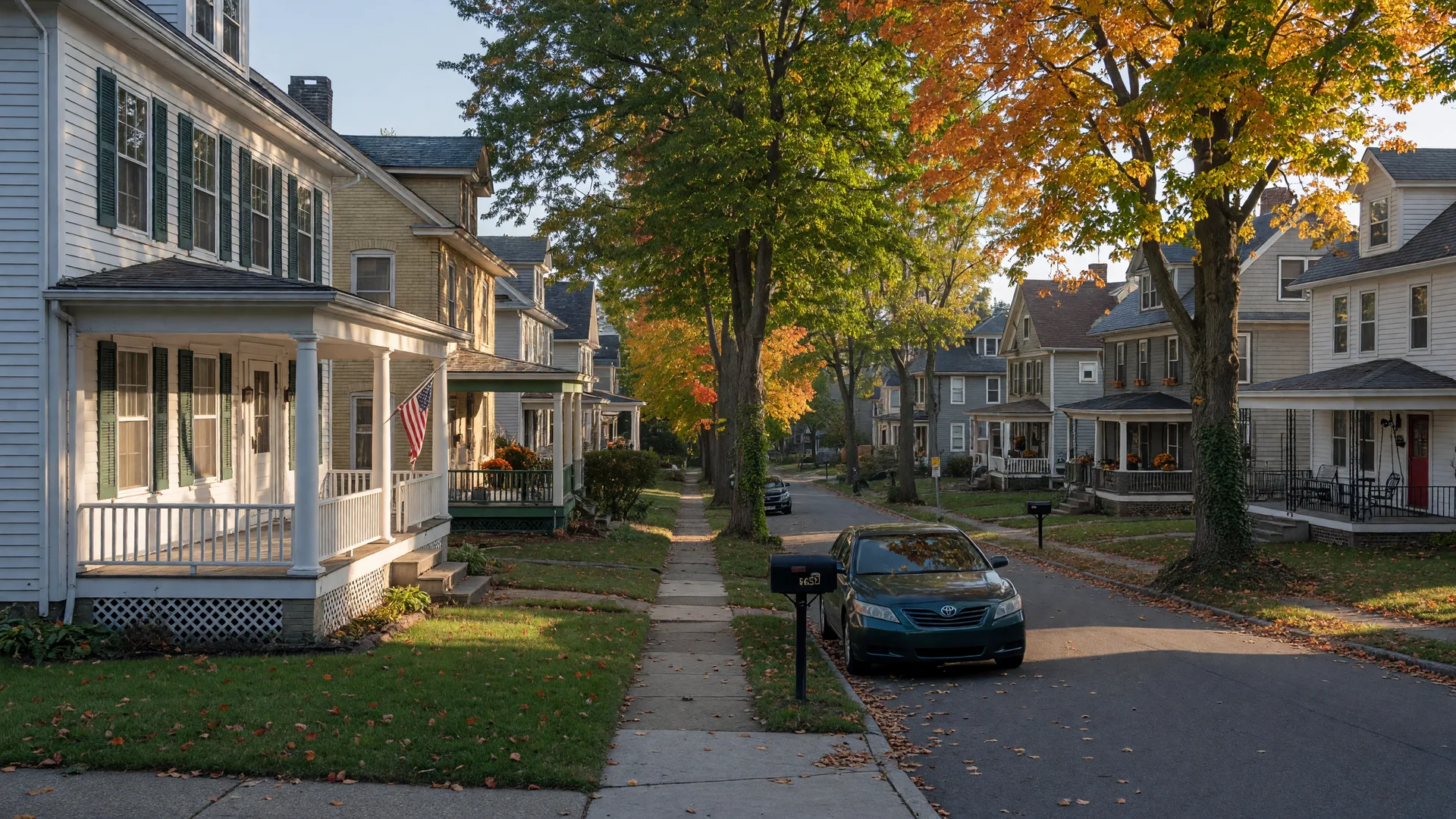
Eleven Cuyahoga County cities require a point-of-sale inspection before a home can be transferred, and the City of Cleveland itself does not. Single-family fees run from $100 in Maple Heights to $300 for a four-unit building in Cuyahoga Heights, and the two largest east-side programs, Cleveland Heights and Shaker Heights, hold between 125% and 150% of estimated repair costs in escrow until violations are corrected. Every suburb runs its own program, so the checklist, the fee, and the timeline change with the address on the contract.
In our experience helping buyers and sellers close in Cuyahoga County, the point-of-sale inspection is the step that most often surprises out-of-state parties, because Ohio has no statewide program. The inspection is a city condition of sale, not a lender or state requirement. Before an offer is written, we confirm the city program, the fee, and the escrow rule for the specific address, because in several cities a certificate must be issued before a title company will clear the closing. This guide is a working checklist of who requires what, verified against city records and 2025 title-industry compilations in October 2026. It is general education about municipal programs, not legal, title, tax, or mortgage advice; confirm your city's current rules with the building or housing department, your title company, and your attorney.
Which Cleveland-Area Cities Require a Point-of-Sale Inspection Before a Title Transfer?
The cities cluster on the east side of Cuyahoga County: Cleveland Heights, Shaker Heights, University Heights, South Euclid, Richmond Heights, Euclid, East Cleveland, Garfield Heights, Maple Heights, Bedford, Warrensville Heights, and Cuyahoga Heights. Of those, South Euclid does not require an inspection for a normal owner-occupied sale, and Lyndhurst confirmed it has no program, so the full list of cities with a mandatory program is eleven. The table below shows the fee tiers and scope published by each city, with the handful of figures that come from 2025 title-industry compilations clearly marked.
| City | Scope | Single-family fee | Additional units | Notes |
|---|---|---|---|---|
| Cleveland Heights | Interior + exterior | $200 | +$50 per additional unit | Required before a sale contract; escrow 125% of repair estimate, minimum $1,000; applies to residential and commercial |
| Shaker Heights | Interior + exterior | $200 | $300 two-family; $200 first apartment unit + $50 per additional | Application required before a purchase contract; escrow 150% of repair estimate |
| Euclid | Interior + exterior | $225 | $260 two-family; $295 three-family; homestead-exempt $100 | Multi-family buildings $225 per building plus $35 per suite |
| East Cleveland | Interior + exterior | $150 | +$50 per additional unit | Certificate of inspection must be issued before title transfer |
| Garfield Heights | Exterior | Set in Ordinance Ch. 1313 (2025 compilations: about $125 to $150) | Fee tiers by unit count, per ordinance | Compliance certificate required for title transfer; buyer signs a notarized acknowledgment form |
| Maple Heights | Interior + exterior | $100 + $10 administration | $150 two-family + $10; $210 three-family + $10 | Apartments over 3 units: $310 public space + $100 per unit |
| Cuyahoga Heights | Interior + exterior (per 2025 compilation) | $150 | $200 / $250 / $300 by unit count | Fee tiers per American Title Solutions list, 2025 |
| Richmond Heights | Exterior | Confirm with building department | n/a | Sewer dye test required for homes built 1990 or earlier that have not sold in the past 5 years |
| University Heights | Visual interior + exterior | Set in Ordinance Ch. 1490 | n/a | Required prior to transfer of any residential property |
| Bedford | Interior + exterior (per 2025 compilation) | Confirm with building department | n/a | Listed among POS cities in 2025 title-industry compilations |
| Warrensville Heights | Residential + commercial | Set in Ordinance Ch. 1374 | n/a | Required before change of occupancy; application on file with the city |
Reporting note: figures come from each city's published point-of-sale page, fee sheet, or codified ordinance, accessed October 8, 2026; entries marked as 2025 compilation are from Infinity Title Agency and American Title Solutions lists. Fees and scope change with each ordinance cycle, so confirm the current number with the city before closing.
The compiled industry lists used by Cleveland-area title companies add a few more municipalities in and around the county, including villages like Bratenahl where the inspection is optional and can be declined by the seller. The list changes: reps from multiple brokers report that programs are added and dropped as city budgets and ordinances change, so the single most reliable step is a phone call to the building or housing department of the city where the property sits, or a search of that city's codified ordinances for the phrase "point of sale."
Does the City of Cleveland Itself Require a Point-of-Sale Inspection to Sell a Home?
No. The City of Cleveland does not perform a point-of-sale inspection for residential sales, and city records make the distinction explicit: the document Cleveland does require, the Certificate of Disclosure, is not a point-of-sale inspection. Under Cleveland Codified Ordinance Section 367.12, anyone selling or transferring a property with one to four residential units must furnish the buyer a certificate before a contract is signed, and no transfer may be completed without it. The fee is $60 per structure, and the certificate discloses the property's code-enforcement history, active notices of violation, condemnation status, and legal-use information.
Cleveland also ran an exterior inspection program for vacant one-to-three-unit residential properties prior to sale, but the Akron Cleveland Association of REALTORS reported in February 2026 that the city eliminated that requirement effective February 6, 2026. Vacant-building registration still applies to vacant structures. The practical takeaway for a home inside the city limits: budget $60 for the disclosure certificate, no municipal inspection escrow, and verify with the city and title company whether any vacant-property registration applies to your situation.
| City | What applies instead |
|---|---|
| City of Cleveland | No POS inspection. $60 Certificate of Disclosure per structure under Ordinance 367.12; vacant 1-3 unit exterior inspection eliminated February 6, 2026 |
| South Euclid | No POS for owner-occupied sales; vacant properties require annual registration and an inspection before transfer |
| Lyndhurst | No POS; occupancy permits for new structures only, confirmed with the building department in 2024 |
| Beachwood | No POS; some transfers require an occupancy permit of about $50 |
| Bay Village | POS required only for vacant properties |
| Bentleyville | No POS |
| Bratenahl | POS optional; a seller may decline the inspection |
Sources: City of Cleveland records; Infinity Title Agency 2025 Cuyahoga County point-of-sale list; You Should Own 2025 list; LP Property Group compiled lists. Verify with each city, accessed October 8, 2026.
What Does a Cuyahoga County Point-of-Sale Inspection Actually Check?
Scope varies by city, and the phrase "point of sale" is not a single checklist. The east-side cities that require a full inspection, including Cleveland Heights, Shaker Heights, Euclid, East Cleveland, and University Heights, inspect both the interior and the exterior. Garfield Heights and Richmond Heights run exterior-only programs, and Maple Heights lets the seller choose the scope with fee tiers to match. Every program checks working smoke and carbon monoxide detectors, and the Moreland Hills program is an example of a minimal city check limited to smoke and CO detectors plus exterior property-maintenance standards.
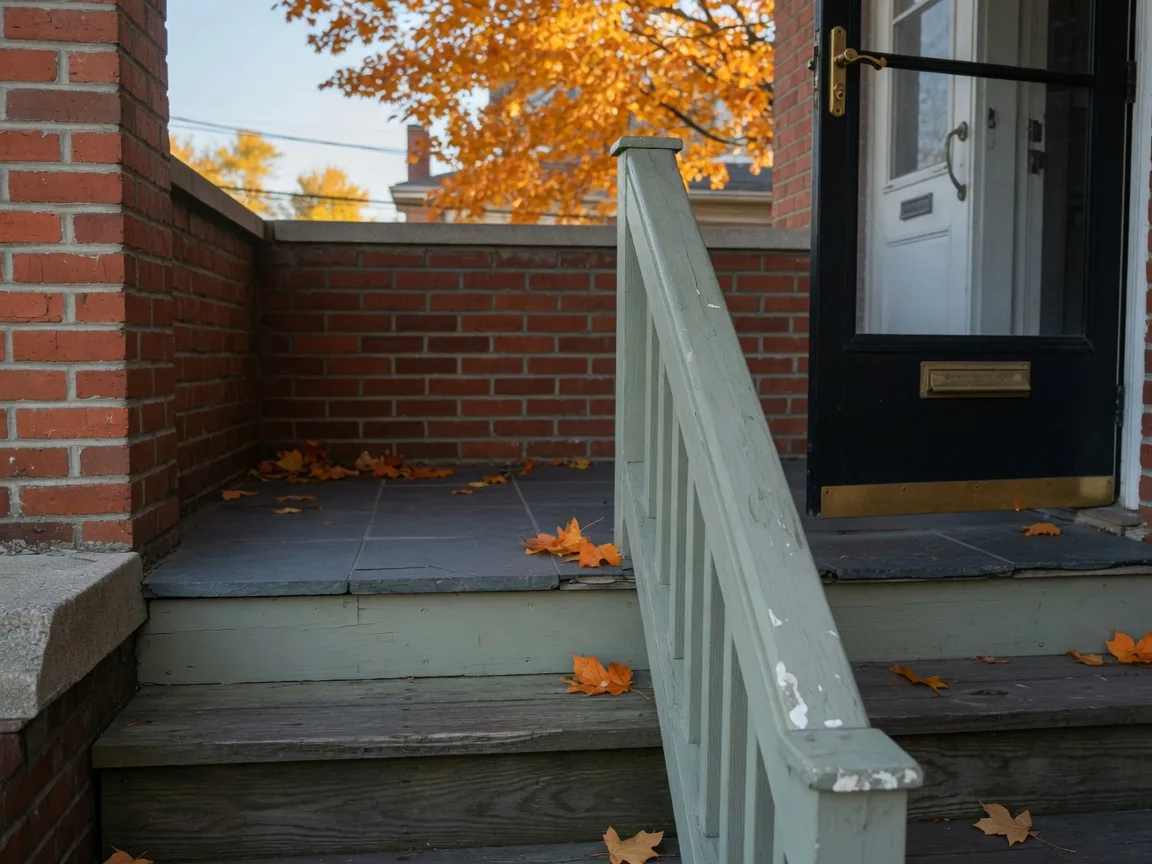
The items that most often trigger a required repair or an escrow hold are the ones any buyer's home inspection also flags, but the city cares about the safety-adjacent and structural items first: handrails and railings on stairs, decks, and porches; peeling paint; cracked sidewalks, driveways, and aprons; raised shingles and roof condition; and grading or drainage that pushes water toward the foundation. The table below maps the common inspection items across the two program types.
| Inspection item | Exterior-only programs | Interior + exterior programs |
|---|---|---|
| Smoke and CO detectors | Verified working at time of inspection | Verified in every required location |
| Handrails and railings | Porch, deck, and stair rails checked | Plus interior stairs and basement handrails |
| GFCI outlets | Not typically checked | Kitchen, bathroom, and wet-area outlets tested |
| Peeling or deteriorated paint | Exterior surfaces only | Interior and exterior surfaces |
| Siding, trim, windows, doors | Checked from the exterior | Plus interior door and window operation |
| Roof, chimney, gutters | Checked from ground level | Checked from ground level, plus attic access items |
| Sidewalks, driveway, grading | Checked | Checked, plus basement seepage and sump where present |
| Garage and outbuildings | Exterior condition checked | Interior checked when attached |
Compiled from city program descriptions and 2025 title-industry checklists; the exact items and standards are set by each city ordinance. Homes built before 1978 also carry federal lead-based paint disclosure duties at sale; ask your title company and the city what applies to the specific property.
How Much Do Point-of-Sale Inspections Cost, and Who Pays the Fee?
Fees are set by ordinance, not by the inspector, and the published single-family figures in the east-side cities run from $100 in Maple Heights to $225 in Euclid, with Cleveland Heights and Shaker Heights at $200 and East Cleveland at $150. Multi-unit buildings scale by unit count, which is why a small rental building can carry a $300-plus inspection fee before any repairs are quoted. Some cities publish an additional administration fee, and homestead-exempt owners may qualify for a reduced rate, as in Euclid, where the homestead-exempt single-family fee drops to $100.
Who writes the check is negotiable in the contract but customary in practice: the seller typically orders and pays for the inspection and the fixes, because the certificate is the city's condition for clearing the title. A buyer can offer to pay the fee or to share repair costs as part of the negotiation, and that trade shows up in the offer terms. On the buyer side, the fee is a modest and predictable line item compared to a full home inspection, and it is separate from the home inspection fee, the appraisal fee, and the title and closing costs in the estimate from your lender.
What Happens When the Inspection Finds Violations, and How Do Escrow Holds Work?
The escrow mechanics are where the cities genuinely differ, and this is the "escrow inspection" part of the process. In Cleveland Heights, uncorrected violations require the seller to post escrow of at least $1,000 and equal to 125% of the estimated repair cost; in Shaker Heights, the escrow is 150% of the repair estimate. The city holds the money and releases it only after the repairs are completed and re-inspected and the city signs off. A few suburbs skip the escrow and instead require the buyer to sign a written waiver to complete the listed repairs within a set window, commonly 90 days after closing.
Two practical points follow. First, the escrow is a cash-flow event: a seller who delays repairs to the last week may post $3,000 to $9,000 out of the closing proceeds rather than paying a contractor directly, so repairing before the inspection is usually the cheaper path. Second, the buyer's leverage is real but bounded: the repairs are the city's list, not a wish list, so the negotiation is about who pays and when, not whether the work happens. For inspection, appraisal, and loan questions beyond the municipal program, consult your qualified home inspector, your lender, and your attorney; nothing here replaces their review of your specific transaction.
When in the Transaction Does the Point-of-Sale Inspection Happen?
Timing is city-specific and earlier than most sellers expect. Shaker Heights requires the point-of-sale application to be submitted before the seller enters into a contract with a buyer, and Cleveland Heights requires a current certificate before a sale contract on residential property. In practice that means the inspection is scheduled in the listing or pre-offer phase, not during the buyer's inspection contingency. In other cities the inspection can run during due diligence, but the certificate still has to be issued before the title company will clear, so a last-minute failure pushes the closing date.
The takeaway for sellers is to call the building or housing department before listing, confirm whether an inspection is required and when it must be ordered, and fix the obvious items first: working detectors, secure railings, and no peeling paint. A certificate in hand is a marketing point and removes a closing risk. The takeaway for buyers is to discover the city's program during due diligence, ask the seller for the certificate or inspection report as a condition of the contract, and let the title company and attorney confirm the document requirements for the address before closing.
How Is a Point-of-Sale Inspection Different From a Home Inspection?
A home inspection is a buyer-ordered, comprehensive review of condition, systems, and latent issues, paid for by the buyer and used in the inspection contingency. A point-of-sale inspection is a city-ordered life-safety and property-maintenance review, paid for by the seller, required for the title to transfer, with a pass/fail certificate and a repair list from the city. The two overlap on the obvious items but differ in purpose: the home inspection is the buyer's information, and the point-of-sale inspection is the city's permission. Buyers in Garfield Heights or Euclid should treat the point-of-sale repair list as a floor, not a ceiling: if the city requires a railing repair, a thorough home inspection will almost certainly find other things worth negotiating too.
Buyer and Seller Takeaways
- Sellers: confirm your city's point-of-sale program with the building or housing department before listing. In Shaker Heights the application is due before a purchase contract, and in Cleveland Heights a current certificate is required before a residential sale contract.
- Sellers: repair the cheap, certain items before the inspection: smoke and CO detectors, loose handrails, peeling paint, cracked walkways. They are the most common citations, and each one avoided means less escrow cash at closing.
- Sellers: budget the fee and any escrow. Expect $100 to $225 for a single-family inspection plus 125% to 150% of estimated repair costs if violations remain uncorrected in escrow cities.
- Buyers: find out during due diligence whether the city requires a certificate, and make the certificate or the inspection report a contract condition. A valid certificate removes a real closing risk.
- Buyers: treat the point-of-sale repair list as the city's minimum. A full home inspection is separate and still worth ordering, because the city review is not a substitute for buyer due diligence.
- Everyone: this is general education about municipal inspection programs, not legal, title, tax, or mortgage advice. Verify the current program with the city, and have your title company and attorney confirm the close-of-escrow requirements for your specific address.
The point-of-sale inspection is the local government's gate on top of the buyer's own due diligence, and it pairs naturally with the other documents in a Cuyahoga County closing. Our guide to reading an Ohio title commitment explains the Schedule A, Schedule B, and easement exceptions your title company will resolve before transfer, and our Cleveland historic district exterior rules guide covers the repair-first standards that apply in neighborhoods like Ohio City when exterior work is planned. For the bigger picture of what the whole market looks like, our guide to moving to Northeast Ohio compares Cleveland and Akron housing, costs, and commutes side by side.
Frequently Asked Questions
Which cities in Cuyahoga County require a point-of-sale inspection?
Eleven cities have a mandatory program as of October 2026: Cleveland Heights, Shaker Heights, Euclid, East Cleveland, Garfield Heights, Maple Heights, Cuyahoga Heights, Richmond Heights, University Heights, Bedford, and Warrensville Heights. The City of Cleveland itself does not require a point-of-sale inspection, and South Euclid and Lyndhurst do not run programs for owner-occupied sales.
Does the City of Cleveland require a point-of-sale inspection to sell a home?
No. Cleveland requires a $60 Certificate of Disclosure per structure under Ordinance 367.12 before a contract is signed, and city records state that the certificate is not a point-of-sale inspection. The city's separate exterior inspection for vacant one-to-three-unit properties was eliminated effective February 6, 2026.
How much does a point-of-sale inspection cost in Cleveland Heights or Garfield Heights?
Cleveland Heights charges $200 for the first unit plus $50 per additional unit, with an escrow of 125% of estimated repair costs, minimum $1,000, when violations are not corrected. Garfield Heights sets its fee in Ordinance Ch. 1313; 2025 title-industry compilations list about $125 to $150 for a single-family home. Confirm the current fee with each building department.
Who pays for point-of-sale inspection repairs, the buyer or the seller?
The seller typically orders the inspection and pays for the repairs, because the certificate is the city's condition for clearing title. The division of cost is negotiable in the contract, and sellers who correct violations before the inspection avoid escrow holds entirely. Shaker Heights holds 150% of the repair estimate in escrow until the city signs off.
What happens if a point-of-sale inspection finds violations before closing?
The seller must either complete the repairs and pass a re-inspection or post escrow, commonly 125% to 150% of the estimated repair cost, before the title can transfer. Some cities let the buyer sign a waiver to complete repairs within a set window, typically 90 days after closing. A last-minute failure pushes the closing date, so sellers should order the inspection early.
What is the difference between a point-of-sale inspection and a home inspection?
A home inspection is buyer-ordered, comprehensive, and used in the inspection contingency. A point-of-sale inspection is a city-ordered life-safety and property-maintenance review that the seller pays for and that the city requires before title transfer. Buyers should still order their own home inspection, because the city's list is a minimum, not a substitute for due diligence.
Sources
- City of Cleveland Heights, Point of Sale Inspections (scope, fees, and requirement before sale contract)
- City of Cleveland Heights, Point-of-Sale Fact Sheet (escrow of 125% of estimated repair costs, minimum $1,000)
- City of Shaker Heights, Point of Sale Procedure (application before contract; fees by unit count)
- City of Shaker Heights, Point of Sale Inspection and Escrow Requirements (escrow at 150% of repair estimate)
- City of Euclid, Point of Sale Inspection Form and Fees (fee schedule by unit count and homestead-exempt rate)
- City of Maple Heights, Point of Sale Inspection (fees from $100 single-family with administrative fee)
- City of Garfield Heights, Point-of-Sale Inspections (exterior inspection and compliance certificate for title transfer)
- Garfield Heights Codified Ordinances, Ch. 1313 (point-of-sale inspection fee authority)
- City of East Cleveland, Pre-Sale Inspection Fee Sheet ($150 single-family plus $50 per additional unit; certificate before title transfer)
- City of University Heights, Point of Sale (visual interior and exterior inspection before transfer)
- City of Warrensville Heights, Inspections (residential and commercial point-of-sale program)
- City of Cleveland, Certificates of Disclosure (the document is not a point-of-sale inspection)
- Cleveland Codified Ordinance 367.12 (Certificate of Disclosure requirement and $60 fee)
- Akron Cleveland Association of REALTORS (Cleveland ceasing the vacant-property exterior inspection, effective February 6, 2026)
- Infinity Title Agency, 2025 Cuyahoga County Point of Sale List (cities with and without programs)
- You Should Own, Point of Sale Inspection Cities, Cuyahoga County (2025 compiled list including fee notes)
- LP Property Group, Northeast Ohio cities with and without point-of-sale inspections (Richmond Heights dye test; Lyndhurst confirmation)
- Fees, scopes, and program statuses reviewed October 8, 2026.
Share This Post
Suggested social caption
"Selling in Cleveland Heights, Shaker Heights, Euclid, or Garfield Heights? Your city requires a point-of-sale inspection before the title can transfer, with single-family fees from $100 to $300 and escrow holds of 125% to 150% of repair costs when violations are left uncorrected. The full Cuyahoga County checklist, verified October 2026, from Glasshouse Realty."
Published October 8, 2026 · Updated October 8, 2026 · Information verified on October 8, 2026 against the city records and compilations listed above. Point-of-sale programs, fees, and escrow rules change with each city ordinance cycle; confirm current requirements with the building or housing department, your title company, and your attorney before you act.
Closing in a Cuyahoga County point-of-sale city?
Get the exact rules for your address: which city program applies, what the inspection will likely flag, how much the fee and any escrow hold will run, and how to time it in your contract. We know the Greater Cleveland market block by block.
Talk to an AgentBuying or selling on the Cuyahoga County east side?
Whether you are buying in Cleveland Heights, selling in Garfield Heights, or comparing point-of-sale cities with different fee and escrow rules, a Glasshouse agent can confirm the current municipal program for your exact address before you write an offer or list a home.
No pressure, no guesswork. Just clear, local answers from a team growing across Greater Cleveland and Northeast Ohio.
Schedule a Consultation