
July 24, 2026 · Market Updates
Dayton's Housing Market Is Shifting: What a Balanced Market Means for Buyers and Sellers
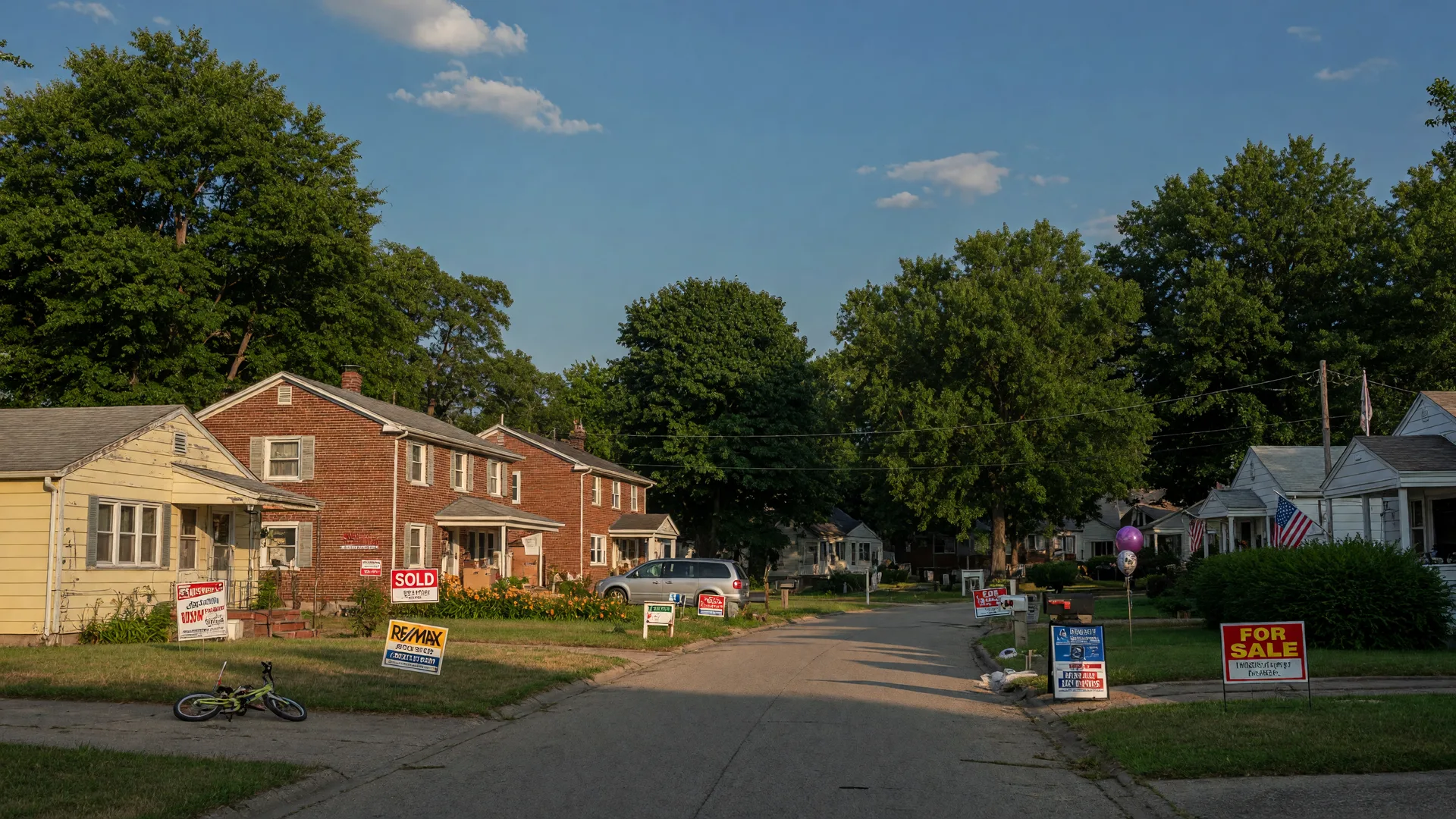
For the past few years, the Dayton housing market has been a textbook seller's market — low inventory, bidding wars, and homes flying off the market in days. But the data we're seeing this summer tells a different story. The market is shifting toward balance, and that changes the playbook for everyone involved.
Here's the headline: roughly 23% of sellers in the Dayton area are now cutting their asking prices. The average sale-to-list ratio has dipped to about 98.8%, meaning most homes sell slightly below list price. And the average days on market has stretched to 40 to 48 days — up from the 28-day snapshot we saw this time last year. These aren't signs of a crash. They're signs of normalization.
What "Balanced" Actually Looks Like
A balanced market is typically defined as 5 to 6 months of housing inventory. Right now, the Dayton area sits at roughly 2.8 months — still below balance, but trending in the right direction. The ratio of buyers to homes for sale is about 0.90 to 1, which is right at the edge of equilibrium.
In plain terms: it's no longer a frenzy, but it's not a buyer's market either. What we're seeing is a market where pricing strategy, home condition, and local knowledge matter more than they have in years. Some homes still get multiple offers in the first week. Others sit for six weeks and need a price adjustment. The difference comes down to execution.
23%
Sellers Cutting Prices
98.8%
Sale-to-List Ratio
40-48
Avg. Days on Market
0.90:1
Buyers per Home
What This Means for Buyers
If you've been sitting on the sidelines waiting for the market to cool off, this is your moment. A balanced market gives you something the past few years couldn't: leverage. You can negotiate on price, ask for repairs, and take a reasonable amount of time to make a decision without the fear of losing the house to a cash offer by sundown.
That said, it's not a free-for-all. The best homes in the best neighborhoods — think Centerville, Beavercreek, Oakwood, and Kettering — still attract competition. The difference is that you're no longer competing against 15 other offers. Maybe three or four. And that changes everything.
- Get pre-approved, but don't rush. You have time to compare lenders and find the right rate. A pre-approval still shows sellers you're serious, but you can be more deliberate about your choice.
- Negotiate strategically. With 23% of listings cutting prices, you have room to ask for concessions — closing cost assistance, a home warranty, or repairs identified during inspection. Don't be shy about it.
- Watch for price cuts. A home that's been on the market for 30 days with a price reduction is a signal that the seller is motivated. That's your opening.
- Don't overpay just because you can. Just because you have more negotiating power doesn't mean you should use it to buy a home that's still overpriced. Stick to your budget and let the data guide your offer.
What This Means for Sellers
If you're selling, don't panic. The market is still in your favor — just not as overwhelmingly as it was. The shift means you need to be more intentional about every step of the process, starting with pricing.
The biggest mistake sellers are making right now is pricing based on what their neighbor's house sold for in 2024. That market is gone. Today's buyers are more rate-sensitive, more selective, and more willing to walk away if a home doesn't feel like a fair deal. The homes that are selling quickly and at or above asking are the ones priced right from day one, in excellent condition, and marketed effectively.
- Price at market, not above it. The days of pricing high and waiting for a bidding war to pull you up are over. A realistic price on day one gets you showings. An ambitious price on day one gets you a stale listing and a price cut three weeks later.
- Make your home move-in ready. In a balanced market, buyers are less willing to overlook deferred maintenance. A fresh coat of paint, tidy landscaping, and a deep clean are table stakes, not extras.
- Be flexible on terms. Closing timeline, lease-back options, and willingness to work with a buyer's inspection requests can make the difference between a signed contract and a pass.
- Work with a broker who knows the neighborhood data. National averages don't tell you what's happening on your street. A local agent who tracks days on market and price reductions by neighborhood is worth their weight in gold.
Where the Market Is Heading
The consensus among local market analysts is that the Dayton area will continue to normalize through the rest of 2026 and into 2027. That doesn't mean prices will fall dramatically — the fundamental demand drivers are still strong, including Wright-Patterson Air Force Base, growing healthcare and logistics sectors, and steady in-migration from higher-cost metros.
What it does mean is that the days of automatic double-digit appreciation are behind us — for now. Sellers need to be realistic about pricing, and buyers need to be ready to act when they find the right home at the right price. The middle ground is a good place to be, as long as both sides adjust their expectations.
The Bottom Line
Dayton's market is entering a healthier phase — one where patience, preparation, and local expertise matter more than timing the market. For buyers, this is the most favorable environment in years. For sellers, success comes down to pricing and presentation. Either way, having a brokerage that lives and breathes the local data makes all the difference. At Glasshouse Realty, that's what we do every day.
Frequently Asked Questions
Is the Dayton housing market still a seller's market?
It's transitioning from a strong seller's market to a balanced one. With about 2.8 months of inventory and 0.90 buyers per home, the advantage is narrowing. Sellers can still get good results, but pricing and presentation matter more than they did a year ago.
How many Dayton sellers are cutting their prices right now?
Approximately 23% of listings in the greater Dayton area have seen price reductions. This is a normal sign of a market correcting from the overheated conditions of 2021-2024. Homes priced realistically from the start are still selling at or near asking price.
Should I wait to buy a home in Dayton until prices drop further?
Prices are not expected to drop dramatically — the market is normalizing, not crashing. If you find a home that fits your budget and needs, buying now gives you more negotiating power than you've had in years. Waiting for a hypothetical price drop risks higher rates and more competition when rates eventually ease and more buyers re-enter the market.
How long does it take to sell a home in Dayton right now?
The average days on market is between 40 and 48 days across the Dayton metro area. However, this varies significantly by neighborhood and price point. Well-priced homes in desirable areas like Centerville and Beavercreek still sell in under 30 days. Overpriced homes or those in need of updates can sit for 60 days or more.
Published July 24, 2026 · Updated July 24, 2026
Not sure where your neighborhood falls?
A Glasshouse Realty agent can give you the real picture — days on market, price trends, and competition levels for your specific area. No obligation, just honest local insight.
Talk to an AgentQuestions about the Dayton market? A Glasshouse agent can help.
Whether you're planning to buy, sell, or just trying to understand what the shifting market means for you — we'd love to start a conversation.
Raise your hand and we'll reach out with honest, local insight — no pressure, no scripts.
Schedule a Consultation