
August 5, 2026 · Market Updates
Dayton Ranks #3 for Foreclosure Listings Nationally: What Buyers and Sellers Need to Know
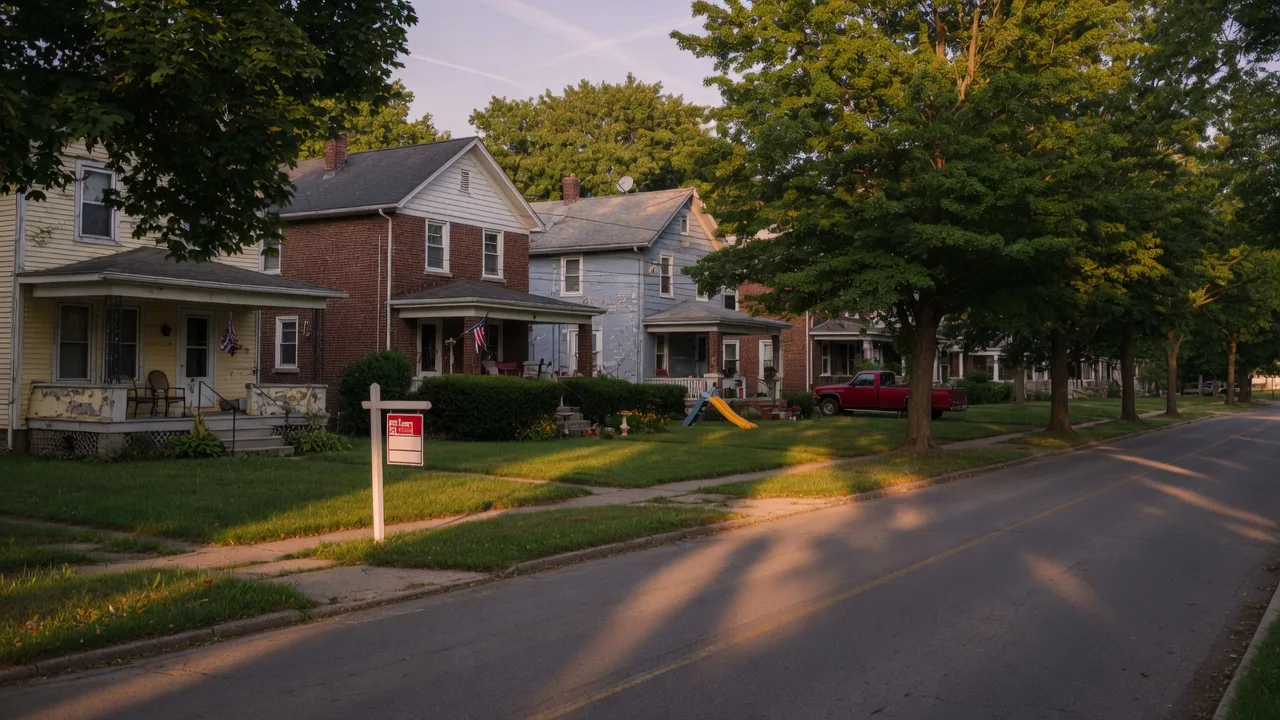
A new report from the Dayton Business Journal published July 13, 2026 placed the Dayton metro area third in the nation for the share of foreclosure listings among active residential properties. As national foreclosure rates reach a seven-year high, Dayton's ranking has naturally raised questions among buyers, sellers, and current homeowners. Here is what the data actually shows and what it means for the local market.
Let's start with context. Foreclosure activity nationally has been climbing as pandemic-era forbearance programs fully unwind and elevated interest rates put pressure on adjustable-rate and recently financed mortgages. Dayton's elevated share reflects national trends more than a unique local crisis. It also reflects the fact that overall housing inventory in Dayton remains tight, so foreclosures make up a larger percentage of a smaller total pool.
What the Data Actually Says
When we say Dayton is ranked #3 nationally, it means the metro area has one of the highest proportions of foreclosure-related listings relative to its total active inventory. The raw number of foreclosures is not necessarily high by historical standards. It is the ratio that stands out. Other metros on the list include similar mid-sized Midwest and Sun Belt cities where inventory is low and distressed properties account for a larger slice of the pie.
It is also worth noting that many of these listings are not homes being repossessed and sold by banks. Some are pre-foreclosures, short sales, or properties where the homeowner is selling to avoid foreclosure. Each situation is different, and the term "foreclosure listing" covers a range of scenarios from pre-sale hardship to bank-owned REO properties.
#3
National Rank
7-Yr
High in Foreclosures
Tight
Total Inventory
What This Means for Buyers
For buyers, a higher share of foreclosure listings can mean more opportunities to find a home below market value. But it is not as simple as finding a bargain. Foreclosure properties are sold as-is, often need significant repairs, and come with unique timelines and financing requirements. A conventional loan may not work for a bank-owned home in poor condition. Cash buyers and investors with renovation experience typically have an advantage in this part of the market.
That said, buyers who are patient, have renovation financing lined up, and work with a knowledgeable local brokerage can find real value. The key is understanding the difference between a pre-foreclosure (where the current owner is still in the home and motivated to sell), a short sale (which requires bank approval and can take months), and a bank-owned REO property (where the bank wants to offload it quickly).
- Get pre-approved for renovation financing. FHA 203k and Fannie Mae HomeStyle loans let you finance purchase plus repairs in a single mortgage. They are excellent tools for buying distressed properties.
- Budget for inspections and repairs. A pre-offer inspection is not always possible on a vacant bank-owned home, but a post-offer inspection is non-negotiable. Budget 10 to 20 percent of the purchase price for updates.
- Understand the timeline. Bank-owned properties can close in 30 to 45 days if they are vacant. Short sales can take three to six months. Plan accordingly.
- Work with a local brokerage that tracks foreclosures daily. Many foreclosure listings never hit the public MLS in time. An agent who monitors pre-foreclosure filings and REO inventory can get you in before the competition.
What This Means for Homeowners and Sellers
If you are a current homeowner, this news is not a reason to panic. The vast majority of homes in the Dayton area are not in foreclosure. Your home's value is determined by recent sales of comparable homes in your neighborhood, not by the national foreclosure statistic. A neighboring foreclosure that sells at a discount can affect your home's appraisal, but the effect is limited if the rest of the market is stable.
If you are thinking of selling, the most important thing is to price your home realistically based on current comparable sales. A well-maintained, move-in ready home in a desirable neighborhood like Centerville, Beavercreek, Oakwood, or Kettering will still attract buyers and sell at or near its asking price. The presence of foreclosure inventory mainly affects the lower end of the market, where condition and price sensitivity are highest.
The Bigger Picture for Dayton
Dayton's #3 ranking is a snapshot, not a trendline. Foreclosure numbers tend to fluctuate with interest rate cycles, employment shifts, and the unwinding of pandemic-era programs. The underlying fundamentals of the Dayton housing market remain strong: steady demand from Wright-Patterson Air Force Base, growing healthcare and logistics sectors, and in-migration from higher-cost metros all support prices and absorption rates.
What this moment calls for is clear-eyed local knowledge. The national headlines tell one story, but the reality on the ground in each Dayton-area neighborhood is different. Foreclosures in one ZIP code do not define the entire metro. And for the right buyer or investor, they can represent an opportunity that a balanced market does not always offer.
The Bottom Line
Dayton's elevated foreclosure listing share is a data point worth knowing, not a reason to change course. For buyers, it opens the door to value opportunities if you know how to navigate the process. For sellers, it reinforces the importance of pricing and condition in a shifting market. For everyone, it highlights the value of working with a brokerage that understands the local data and can put it in perspective. At Glasshouse Realty, we track these trends daily so our clients never have to guess what the headlines mean for their specific situation.
Frequently Asked Questions
What does it mean that Dayton is #3 for foreclosure listings?
It means Dayton has the third-highest share of foreclosure-related listings among active residential properties compared to other U.S. metros. This includes pre-foreclosures, short sales, and bank-owned properties. The raw number is not necessarily historically high; it stands out because overall inventory in Dayton is tight, so distressed properties make up a larger percentage of a smaller pool.
Should I be worried about my home's value if there are more foreclosures in Dayton?
In most cases, no. Your home's value is determined by recent sales of comparable homes in your immediate neighborhood. A foreclosure a few streets over that sells at a discount can have some effect on appraisals, but the impact is limited in a market where most homes are selling at or near asking price. Well-maintained homes in desirable Dayton-area neighborhoods continue to hold their value.
Are foreclosures a good deal for buyers in Dayton?
They can be, but they come with trade-offs. Foreclosure properties are sold as-is, often need repairs, and may not qualify for conventional financing. Buyers with renovation loans like FHA 203k, cash buyers, and investors tend to have the most success. A local brokerage that tracks pre-foreclosure filings and REO inventory can help identify the best opportunities before they hit the open market.
Is the national foreclosure rate affecting Dayton more than other cities?
Dayton's ranking is partly driven by the national trend of rising foreclosure activity as pandemic-era protections expire and higher interest rates strain recent buyers. But the ranking also reflects Dayton's tight overall inventory, which makes the foreclosure share look larger. Many other mid-sized metros are seeing similar dynamics. The key is to evaluate foreclosure data alongside the broader market context rather than in isolation.
Published August 5, 2026 · Updated August 5, 2026
Curious what the foreclosure data means for your neighborhood?
A Glasshouse Realty agent can walk you through the local numbers for your specific area. No scripts, no pressure, just honest market perspective.
Talk to an AgentQuestions about Dayton's foreclosure numbers or the local market?
Whether you are looking to buy, sell, or just understand what the shifting market means for your home, we would love to start a conversation.
Reach out and we will respond with honest, local insight. No pressure, no scripts.
Schedule a Consultation