
August 17, 2026 · Community Guides
Can You Buy a Home in Dayton's Historic Districts? A Guide to South Park, the Oregon District, Grafton Hill, and McPherson Town
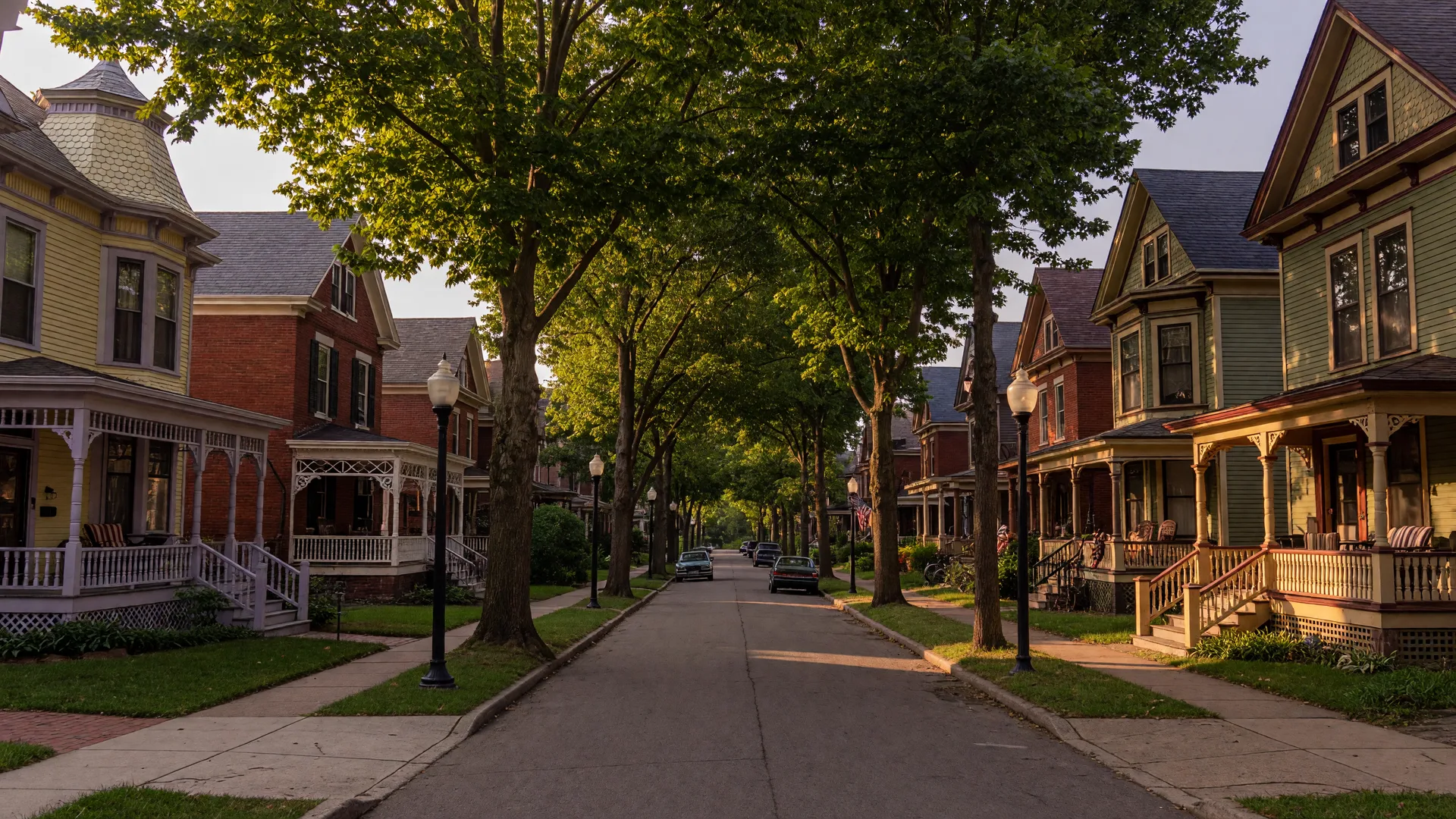
Homes in Dayton's historic districts rarely hit the open market. Some sell by word of mouth before a sign ever goes in the yard. Others get snapped up within days by buyers who know exactly what they're looking for. If you've been searching for a home with character in South Park, the Oregon District, Grafton Hill, or McPherson Town, you already know the competition is real. Here is what you need to know about buying a historic home in Dayton — and how to find one before someone else does.
Why Dayton's Historic Districts Are Worth the Search
Dayton is home to several nationally recognized historic districts, each with its own architectural personality and price range. These neighborhoods offer something you cannot get from new construction: handcrafted details, mature trees, walkable streets, and a sense of place that took a century to build. And with Dayton's median home price still well below the national average, historic living is more accessible here than in almost any other Ohio city.
South Park: The Crown Jewel of Dayton's Historic Districts
The South Park Historic District spans 24 blocks and roughly 150 acres just south of downtown near the University of Dayton. With more than 780 structures dating from the 1880s to the early 1900s, the neighborhood showcases Second Empire, High Victorian Italianate, Queen Anne, and Romanesque Revival architecture. The curvilinear layout of Park Drive was designed by the Olmsted Brothers — the same landscape architecture firm behind New York's Central Park.
Home prices in South Park range widely. Fixer-uppers can start around $170,000, while move-in ready 3- and 4-bedroom homes with restored original details regularly list in the $275,000 to $300,000-plus range. The neighborhood was designated a historic district in 1981 and is listed on the National Register of Historic Places. It also has an active neighborhood association that hosts events and helps connect buyers with available properties before they hit the mainstream listing sites.
Oregon District: Dayton's Original Urban Neighborhood
The Oregon Historic District is one of Dayton's oldest neighborhoods, platted in 1829 alongside the Miami and Erie Canal. It features some of the city's earliest surviving architecture, with Federal, Greek Revival, Italianate, and Queen Anne styles dating from the 1820s through 1915. Tree-lined brick streets, intricate porch details, wrought-iron fencing, and chimney pots give the district its unmistakable character.
Located between Patterson Boulevard and Wayne Avenue, the Oregon District is a vibrant mixed-use neighborhood with restaurants, bars, galleries, and the historic Neon theater. It is one of Dayton's most walkable neighborhoods and draws buyers who want to be steps from the city's best dining and nightlife. Homes here range from smaller cottages to larger period homes, and prices reflect the premium for location and walkability.
Grafton Hill and McPherson Town: Two Distinct Options Near Downtown
Grafton Hill borders downtown Dayton just across the Great Miami River, roughly bounded by Grand, Plymouth, Forest, and Salem Avenues. It represents the 19th-century outward migration of Dayton's affluent residents from the city center. Today, median home prices hover around $195,000, and the neighborhood offers historic architecture in a quiet residential setting minutes from downtown.
McPherson Town was founded in 1845 by Irish immigrant Samuel McPherson and was one of Dayton's first suburbs. Tucked in a bend of the Great Miami River just across the Main Street Bridge from downtown, the district contains roughly 90 to 100 buildings built between 1880 and 1900 in Stick/Eastlake and Queen Anne styles. It was Dayton's third designated historic district, receiving the status in 1977. McPherson Town tends to be the most affordable of the historic districts, with homes ranging from roughly $55,000 to $135,000, though fully renovated properties can push higher.
What to Know Before Buying a Historic Home in Dayton
Buying a historic home comes with a few unique considerations. Here is what Dayton buyers should plan for:
- Preservation guidelines. Exterior modifications — including window replacements, roofing materials, paint colors, and additions — may require approval from the Dayton Historic Preservation Board. Interior changes are generally not restricted, but major exterior work needs a certificate of appropriateness.
- Systems and infrastructure. Older homes often have original plumbing, electrical, and HVAC systems that need updating. Budget for these improvements, especially if you are buying a home that has not been recently renovated.
- Inspection depth matters. A standard home inspection is important, but historic homes benefit from specialized inspections — sewer scopes (original clay tile lines are common), foundation evaluations, and knob-and-tube wiring checks. Our home inspection guide and sewer lateral guide cover what to watch for.
- Financing options. Some historic properties may qualify for renovation financing like FHA 203k loans. The City of Dayton also has programs to support home repairs. See our renovation financing guide for details.
- Tax implications. Historic designation does not automatically increase your property taxes — in fact, certain rehabilitation projects may qualify for historic preservation tax credits at the state and federal level. The 2026 Montgomery County reappraisal affected all homeowners, so check our reappraisal guide for current information.
How to Find a Historic Home Before It Goes Viral
Many historic homes in Dayton sell before they ever appear on Zillow or Redfin. Word-of-mouth listings, neighborhood association message boards, and direct outreach to owners who are considering selling are common ways these homes trade hands. That is why having a locally connected buyer's agent makes a real difference in these districts.
The South Park Neighborhood Association and Preservation Dayton, Inc. are good places to start your research. Preservation Dayton serves as the umbrella advocacy organization for the city's historic districts and keeps a pulse on what is happening across these neighborhoods. Attending neighborhood events and walking the districts regularly can also put you in the right place at the right time.
Looking for a Historic Home in Dayton? We Can Help.
Glasshouse Realty is a locally owned independent brokerage serving Dayton and the surrounding communities. Our agents know the historic districts, the architecture, and the off-market opportunities that never make it to public listings. Whether you are looking for a Queen Anne in South Park or a Federal-style gem in the Oregon District, we can help you find the right home and navigate the process with confidence.
Talk to a Glasshouse AgentMore Neighborhood Resources from Glasshouse Realty
Dayton is home to dozens of great neighborhoods beyond its historic districts. Explore our full neighborhood guides for detailed information on every community we serve. Whether you are looking for new construction in Beavercreek, a family-friendly suburb in Centerville, or a walkable urban property in the Oregon District, Glasshouse Realty has the local knowledge to guide you.
Frequently Asked Questions
Are there restrictions on renovating a historic home in Dayton?
Yes. Exterior modifications to designated historic properties require approval from the Dayton Historic Preservation Board through a Certificate of Appropriateness process. Interior changes are generally unrestricted. The preservation board reviews changes to windows, roofing, siding, paint colors, and additions to ensure they respect the historic character of the district.
How much does a historic home in South Park cost in 2026?
Prices in South Park range from around $170,000 for fixer-uppers to $275,000 to $300,000 and up for move-in ready homes with restored original details. The range varies based on square footage, condition, and how much original character has been preserved.
Do historic homes in Dayton qualify for any tax credits?
Qualified rehabilitation projects on income-producing historic properties may be eligible for federal and state historic preservation tax credits. Owner-occupied residential properties have fewer tax credit options, but the City of Dayton and the state of Ohio offer programs that can support home preservation and repairs.
How do I find historic homes in Dayton before they list publicly?
Many historic homes sell by word of mouth. Connect with neighborhood associations, follow Preservation Dayton, and work with a local agent who has established relationships in these communities. Attending neighborhood events and walking the districts regularly can also help you discover opportunities before they hit the open market.
Published August 17, 2026 · Updated August 17, 2026
Ready to Find Your Historic Dayton Home?
From South Park to the Oregon District, our agents know Dayton's historic neighborhoods and the off-market opportunities that never make it to public listings.
Contact UsSearching for a historic home in Dayton? We can help.
Tell us what you are looking for — South Park, Oregon District, Grafton Hill, or another neighborhood — and we will keep you informed about upcoming listings and off-market opportunities.
Local expertise from an independent brokerage that knows these neighborhoods inside and out.
Schedule a Consultation