
July 15, 2026 · Market Updates
Is Dayton, Ohio a Good Place to Buy a Rental Property?
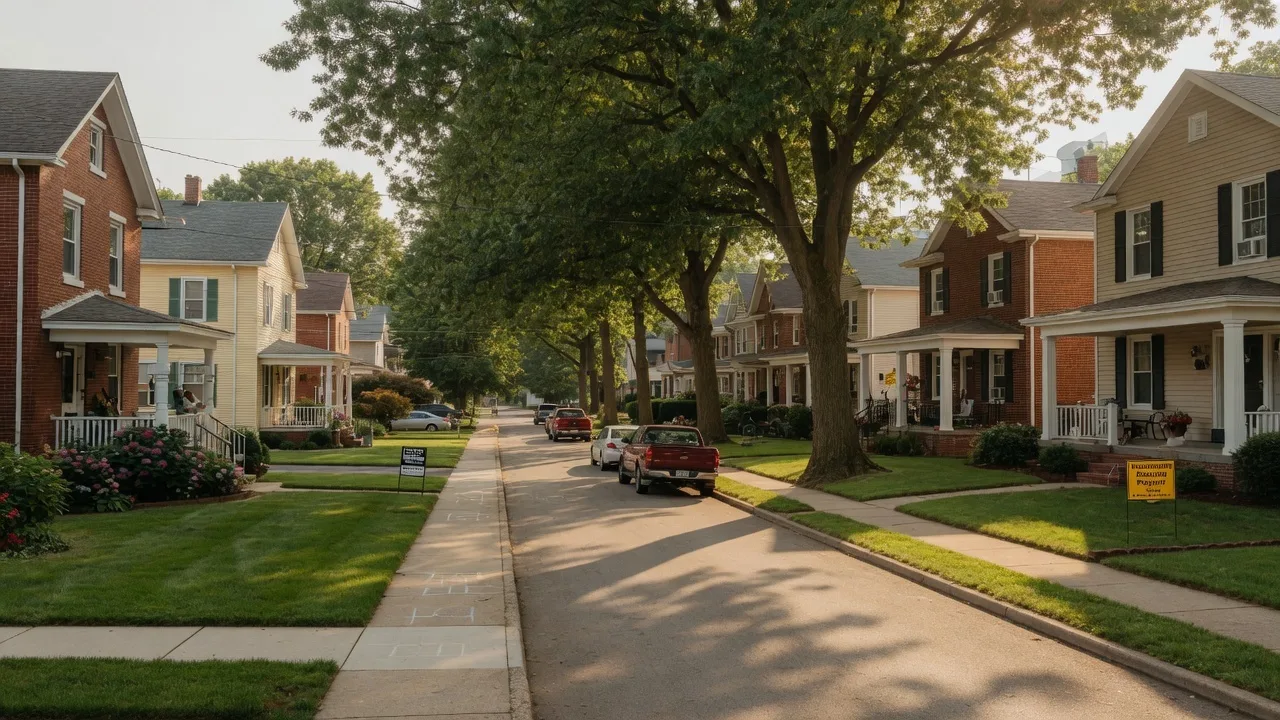
"Is Dayton a good place to buy rental property?" It's one of the most common questions we hear — and for good reason. Dayton has drawn serious interest from investors across the country, and the numbers tell a compelling story. But like any market, the answer depends on where you buy, what you're looking for, and how you plan to manage the property. Here's what investors need to know about the greater Dayton rental market in 2026.
The Big Picture: Dayton's Investment Appeal
Dayton sits in a unique sweet spot. Home prices are still well below national medians — the city proper median hovers around $105,000 to $134,000 — while rental demand remains steady thanks to a diverse economy anchored by Wright-Patterson Air Force Base, healthcare systems like Premier Health and Kettering Health, and a growing manufacturing and logistics sector. That combination means you can enter the market with significantly less capital than in most mid-sized metros, while still collecting meaningful rent.
There's also a critical wrinkle that smart investors notice right away: Dayton's rental supply has expanded dramatically — inventory is up over 130% in recent years. That sounds like bad news for rents, and it is in some pockets. But it also means motivated sellers and more negotiating room on purchase price, which is exactly where value-add investors find their edge.
City Proper vs. Suburbs: Two Different Games
One of the biggest mistakes out-of-town investors make is treating "Dayton" as one market. It's not. The city proper and the surrounding suburbs behave like completely different asset classes.
Dayton City Proper
Cap rates here can reach 6–10%, especially on properties under $60,000 that rent for $700–$800 per month. The entry price is low, and the math can look attractive on paper. But vacancy rates are higher — 10–12% in some neighborhoods — and property crime rates are above average in certain areas. This is a market for hands-on investors who know the neighborhoods, have a solid property management plan, and can handle the occasional turnover.
The Suburbs (Beavercreek, Centerville, Kettering, Huber Heights, Fairborn)
Cap rates typically run 3–6% — lower, but with significantly less risk. Vacancy rates are lower, tenant quality tends to be stronger, and the proximity to Wright-Patterson AFB provides a reliable demand floor. Military families receiving Basic Allowance for Housing (BAH) are consistent tenants, and properties near the base are priced 30–40% below comparable military-base markets in Virginia, Maryland, or Texas. For most out-of-state investors, the suburbs offer the better risk-adjusted return.
What the Rent Numbers Actually Look Like
Metro-wide, here's what rents are doing in mid-2026:
- 2-bedroom houses — typically $1,100–$1,200/month in the suburbs
- 3-bedroom homes — $1,400–$1,500/month, the sweet spot for family renters
- 4+ bedroom properties — $2,100–$2,200/month, attractive for higher-income tenants
- City proper median rent — roughly $995/month, though that figure has declined slightly as rental inventory has grown
That expanded inventory in the city proper is the main reason median rents have dipped — down about 16% over three years. If you're buying in the city, factor that into your pro forma. Don't assume rents will grow year over year; instead, look for properties where the numbers work at today's rent levels.
Ohio Landlord Laws: What You Need to Know
Ohio is generally considered a landlord-friendly state, which is one reason investors are drawn here. There is no rent control, no cap on rent increases, and the eviction process is governed by a clear legal framework under Ohio Revised Code Chapter 5321. A few key rules to know:
- Rent increases — 30 days' written notice required for month-to-month tenants
- Property access — 24 hours' notice required for non-emergency entry
- Security deposits — governed by specific return rules and timelines under state law
- Habitability — landlords must maintain heating, hot water, and basic amenities
Out-of-state investors should also factor in the cost of a professional property management company — typically 8–12% of monthly rent. It eats into your cap rate, but it's almost always worth it for landlords who don't live within driving distance.
The Wright-Patterson Factor
It's impossible to talk about Dayton rental investing without mentioning Wright-Patterson Air Force Base. With over 27,000 military and civilian employees, WPAFB is the largest single-site employer in Ohio. Military families receive a reliable housing allowance, they move frequently (creating consistent turnover and rental demand), and they tend to be excellent tenants. Neighborhoods in Beavercreek, Fairborn, Riverside, and Huber Heights all benefit from this steady demand. For investors looking for a buy-and-hold strategy with predictable cash flow, properties near the base are as close to a sure thing as you'll find in this market.
The Bottom Line
Dayton offers real opportunity for rental property investors — but the strategy that works in the city proper is different from what works in the suburbs. The suburbs (especially near Wright-Patterson) offer stability and lower risk with modest returns. The city proper offers higher yield potential but requires more hands-on management and tolerance for risk. Either way, the key is knowing the neighborhoods, running the numbers on today's rents (not yesterday's), and having a clear plan for property management. A local Glasshouse agent can help you identify the right areas for your specific investment goals.
Frequently Asked Questions
What's a good cap rate for a rental property in Dayton?
It depends on location. In the city proper, expect 6–10% on well-chosen properties. In the suburbs like Beavercreek, Centerville, or Kettering, cap rates typically run 3–6%. The lower suburban rate comes with significantly less vacancy risk and stronger tenant quality.
Is Dayton a landlord-friendly state for out-of-state investors?
Yes. Ohio has no rent control, no caps on rent increases, and a clear legal eviction process. Out-of-state investors should budget 8–12% of monthly rent for a professional property management company to handle day-to-day operations.
What are the best Dayton suburbs for rental property investment?
Beavercreek, Fairborn, and Huber Heights are top picks thanks to their proximity to Wright-Patterson Air Force Base and consistent military tenant demand. Centerville and Kettering offer strong schools and stable family renters, though entry prices are higher.
Published July 15, 2026 · Updated July 15, 2026
Ready to run the numbers on a Dayton investment property?
We'll help you identify the right neighborhoods, analyze the returns, and find a property that fits your investment strategy.
Talk to an AgentThinking about investing in Dayton real estate? Let's talk numbers.
Whether you're a first-time investor or expanding an existing portfolio, we can help you evaluate properties, understand neighborhoods, and connect with local resources.
No pressure, no sales pitch. Just honest answers from people who know the Dayton market inside and out.
Schedule a Consultation