
July 10, 2026 · Market Updates
Out-of-State Investors Are Buying Up Dayton Homes — Here's What That Means for You
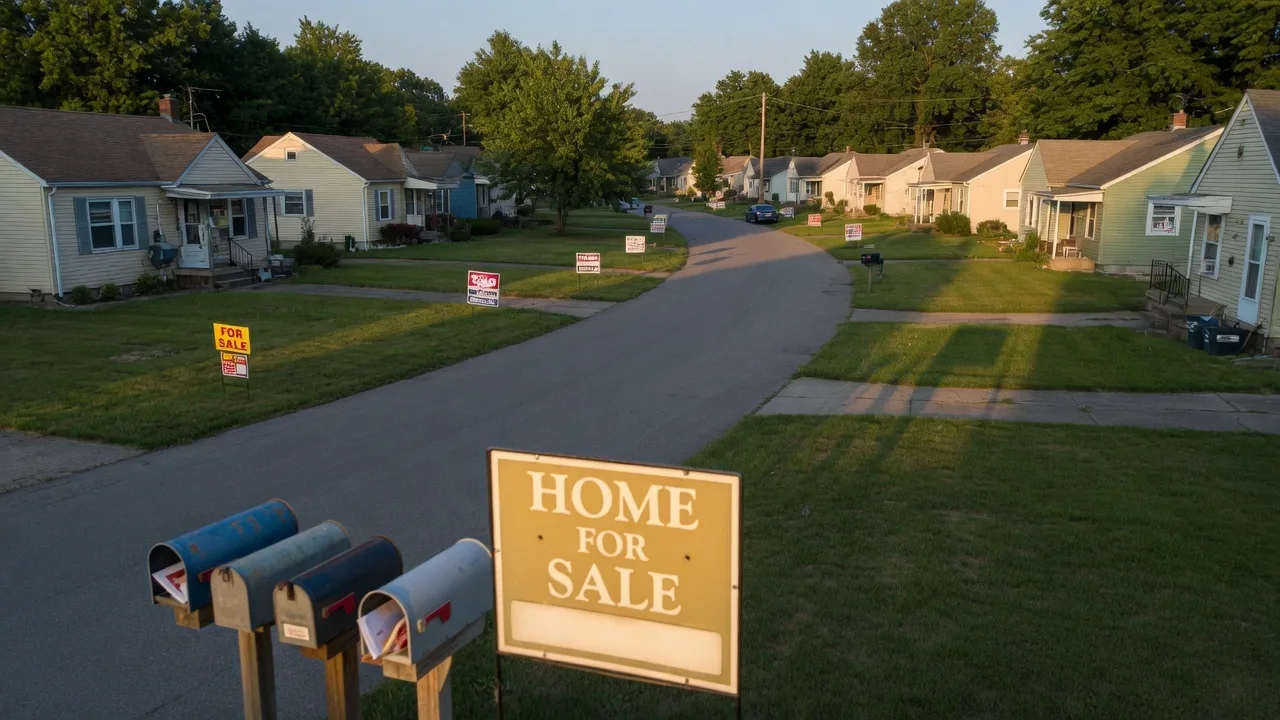
Investors purchased roughly 30% of single-family homes in certain Dayton-area hotspots in 2024, according to Federal Reserve Bank of Cleveland data, and many of those buyers are out-of-state LLCs paying cash. Here's what the numbers actually say, how this affects local buyers and sellers, and what you can do to compete.
What does the data say about investor activity in Dayton?
According to a 2025 Federal Reserve Bank of Cleveland report, investors purchased roughly 30% of single-family homes in certain Dayton-area hotspots — particularly in West Dayton and parts of Montgomery County. The Dayton Daily News dug into this data and found that the investor activity is concentrated in lower-to-mid price ranges, the exact segment where first-time buyers and working families are trying to compete.
A separate analysis from Signal Ohio found that across Ohio's six largest counties, investors made nearly half of all home purchases between 2018 and 2024 in the most economically disadvantaged neighborhoods. Many of these purchases were made by out-of-state entities using LLCs — making it difficult to track who actually owns the properties or where the money is coming from.
Investor Share in Dayton Hotspots
~30%
of all purchases
OH Major Counties (Low-Income Areas)
~50%
investor purchases
Typical Purchase Method
Cash
no financing contingency
Why are out-of-state investors targeting Dayton?
Out-of-state investors aren't picking Dayton at random. Our metro has several characteristics that institutional and semi-institutional buyers look for:
- Affordable entry points. With a median sale price around $248,000, Dayton homes are significantly cheaper than in coastal markets, making it easier for investors to acquire multiple properties.
- Strong rental demand. With Wright-Patterson AFB, the University of Dayton, and a growing job market, rental occupancy rates in the Dayton area are consistently high.
- Appreciation potential. Dayton's steady year-over-year price growth makes it attractive for investors seeking long-term equity gains alongside rental income.
- Low regulatory barriers. Ohio has no statewide landlord licensing or rent stabilization, making it relatively easy for out-of-state investors to operate remotely.
How does investor activity affect local buyers in Dayton?
If you're a first-time buyer or a family trying to purchase a home in the $150K–$250K range, investor competition is one of the biggest challenges you'll face. Here's why:
Investors often pay cash. That means no appraisal contingency, no financing delay, and a faster close — all things that look incredibly attractive to a seller who wants certainty. A local buyer offering a conventional loan with a 30-day close is at a structural disadvantage, even if their offer price is similar.
Investors can waive contingencies more easily. When you're buying your tenth rental property, waiving an inspection or accepting a home in as-is condition is a calculated risk. When you're buying your first home, that same risk could mean inheriting a $15,000 foundation repair.
Inventory gets tighter. Every home that goes to an investor is a home that doesn't go to a local family. In a market with already limited inventory, even a small shift toward investor purchases makes the search harder for everyone else.
How can local buyers still compete with cash investors in Dayton?
The good news? You don't need a suitcase full of cash to win in this market. Here are strategies that work:
- 01 Get fully underwritten pre-approval. A full underwriting review (not just a pre-qualification letter) tells the seller your financing is as good as cash. It narrows the perceived risk gap between you and an investor.
- 02 Write a clean, compelling offer. Flexible closing dates, reasonable earnest money, and a well-crafted offer letter can matter — especially with owner-occupied sellers who care about who's moving into their home.
- 03 Explore off-market opportunities. A local agent with deep neighborhood connections often knows about homes before they hit the MLS. That head start can make all the difference.
- 04 Look where investors aren't. Not every neighborhood attracts institutional money. Suburban communities like Huber Heights, Xenia, and Tipp City tend to see less investor activity — and that's where local buyers often find the best opportunities.
- 05 Work with a local brokerage. A national franchise agent running leads from three states away doesn't know which street has the best buy or which seller wants a quick close. A local agent does.
What should sellers know about investor offers in Dayton?
If you're selling a home in the Dayton area, it's worth understanding who's buying. An all-cash investor offer might look attractive on paper, but it's not always the best deal. Investors typically negotiate harder on price, ask for repairs, and may offer less flexibility on closing terms than a local family who wants your home. A skilled listing agent will present all offers — cash and financed — and help you evaluate the full picture, not just the price tag.
The Bottom Line
Investor activity in the Dayton area is real, it's measurable, and it's reshaping parts of the market. But it's not a death sentence for local buyers — it's a reason to be strategic. Work with a local brokerage that understands the neighborhoods, the data, and the playing field. That local knowledge is exactly what gives Glasshouse Realty clients an edge in a market where every advantage matters.
Frequently Asked Questions
Are out-of-state investors really buying homes in Dayton?
Yes. Federal Reserve Bank of Cleveland data shows investors purchased approximately 30% of single-family homes in certain Dayton-area neighborhoods as of 2024. Many of these purchases are made by LLCs registered in other states, making the actual buyers difficult to identify through public records alone.
How can I compete with cash offers from investors?
Get fully underwritten pre-approval before you start looking. Write clean offers with flexible terms. Work with a local agent who knows off-market opportunities and can connect you with sellers who prefer selling to a local family over an LLC. In many cases, a well-crafted conventional offer can beat a lowball cash bid.
Which Dayton neighborhoods see the most investor activity?
According to the Federal Reserve's data, investor activity is concentrated in West Dayton and parts of Montgomery County, particularly in the lower-to-mid price ranges. Suburban communities like Beavercreek, Centerville, Springboro, and Huber Heights tend to see significantly less investor activity and may offer better opportunities for traditional buyers.
Should I sell my home to an investor or a local buyer?
It depends on your priorities. An investor cash offer provides speed and certainty, but may come with a lower price and more post-inspection negotiations. A local buyer using financing may offer more flexibility on closing terms and sometimes a higher overall price. Your Glasshouse agent can help you evaluate each offer on its full merits.
Published July 10, 2026 · Updated July 10, 2026
Ready to find your home — before an investor does?
A Glasshouse Realty agent can help you navigate a competitive market with local knowledge, smart strategy, and zero pressure. Let's talk about your goals.
Talk to an AgentInvestor activity on your mind? Let's talk strategy.
Whether you're buying, selling, or just trying to understand who you're competing with — a Glasshouse agent can give you a clear picture of what's happening in your neighborhood.
No scripts, no pressure. Just local insight from people who live and work here.
Schedule a Consultation