
July 3, 2026 · Buyer Tips
By Glasshouse Marketing Team
How Property Taxes Actually Work in the Greater Dayton Area
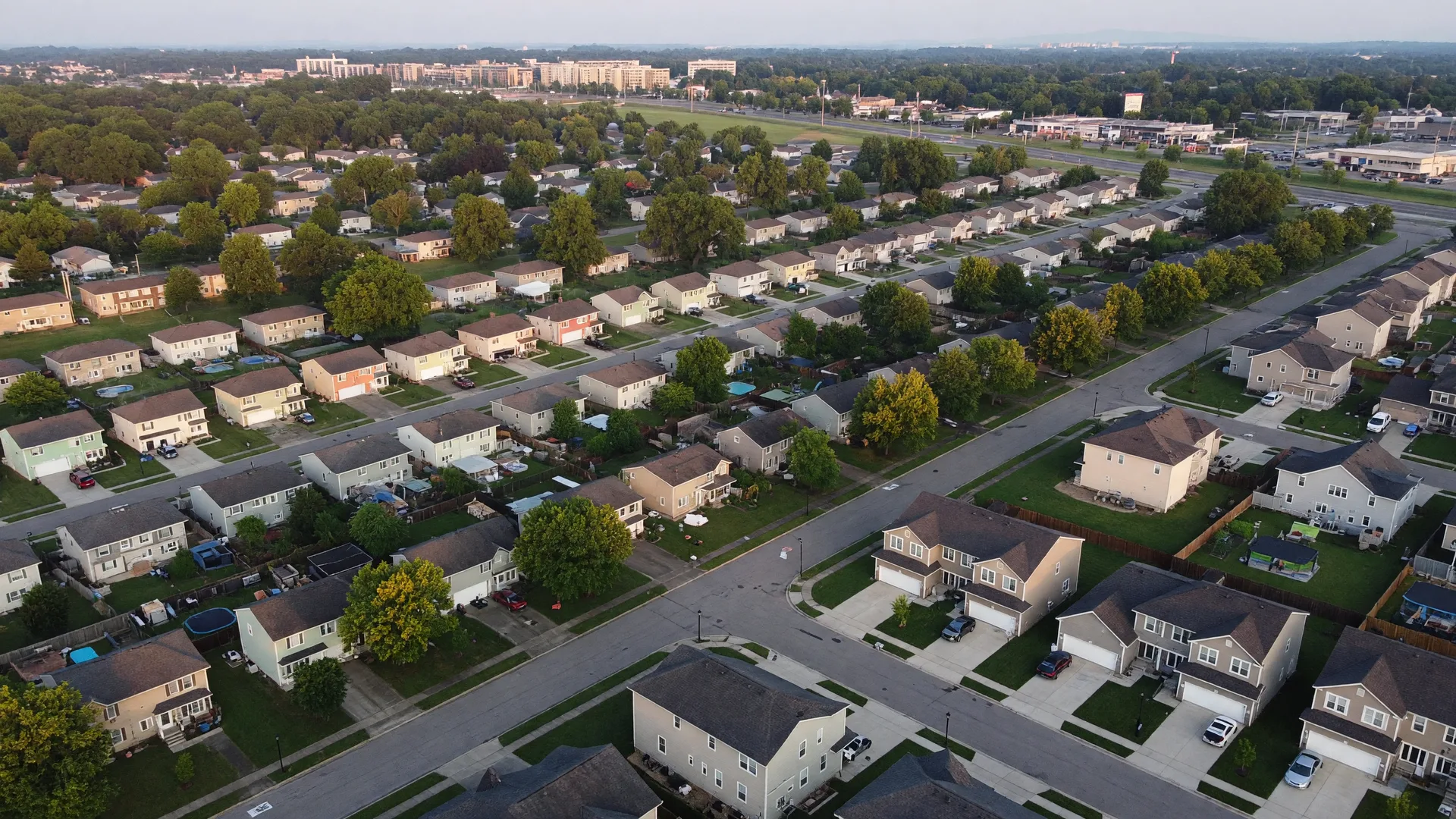
Property taxes in the greater Dayton area range from roughly 1.55% of a home's value in Troy to over 2.60% in Oakwood -- meaning two homes at the same price can have tax bills that differ by hundreds of dollars per month. Here's how property taxes work in Ohio, why school districts drive the biggest differences, and what every buyer and homeowner needs to budget for.
How are property taxes calculated in Ohio?
Ohio determines your property tax based on 35% of your home's appraised market value — that's the assessed value, according to the Ohio Department of Taxation. So a $300,000 home is taxed as though it's worth $105,000. From there, multiple taxing jurisdictions apply their own millage rates to that assessed value: the county, your city or township, your school district, and any special levies (libraries, parks, transit, mental health services, etc.). Those rates stack together to create your total millage.
One mill equals $1 of tax per $1,000 of assessed value. A home assessed at $105,000 with a total millage of 60 mills would owe roughly $6,300 per year — or about $525 per month. The total millage is different everywhere, which is why two homes at the same sale price can carry very different monthly costs.
What are the effective property tax rates across Dayton-area communities?
The simplest way to compare property taxes across municipalities is the effective tax rate — the total annual tax as a percentage of your home's market value. Here's what the numbers look like across key communities in the area:
Effective Property Tax Rates by Municipality
| Community | County | Effective Rate |
|---|---|---|
| Dayton | Montgomery | ~2.04% |
| Oakwood | Montgomery | ~2.61% |
| Centerville | Montgomery | ~2.04% |
| Kettering | Montgomery | ~2.00% |
| Beavercreek | Greene | ~1.66% |
| Huber Heights | Montgomery | ~1.90% |
| Fairborn | Greene | ~1.75% |
| Springfield | Clark | ~1.60% |
| Xenia | Greene | ~1.70% |
| Troy | Miami | ~1.55% |
On a $250,000 home, the difference between Beavercreek (1.66%) and Oakwood (2.61%) is nearly $2,400 per year — roughly $200 more per month just in taxes. That's real money that directly affects your monthly budget and buying power.
Why do school districts make such a big difference in my tax bill?
The single largest factor in your property tax bill is usually your school district. School levies make up roughly 50–65% of total millage in most Dayton-area communities. Districts with higher-rated schools — like Oakwood City Schools, Centerville, and Bellbrook-Sugarcreek — tend to have higher millage rates because voters have approved more levies to fund those programs.
This is why a buyer comparing two identically priced homes in different school districts can see dramatically different tax bills. A home in the Oakwood school district might carry a total millage over 90 mills, while a home in a neighboring township with a smaller district might be closer to 55–65 mills. For families prioritizing school quality, it's worth understanding that the premium you pay in taxes reflects a direct investment in those schools.
How do property taxes affect my monthly mortgage payment?
When you're budgeting for a home, don't just look at the mortgage payment. Property taxes are typically escrowed into your monthly payment along with homeowner's insurance, so a higher tax rate means a higher total payment — even if the mortgage amount is the same. On a $300,000 purchase, here's what your annual property tax might look like:
- Troy (1.55%): ~$4,650/year — about $388/month escrowed
- Beavercreek (1.66%): ~$4,980/year — about $415/month escrowed
- Kettering (2.00%): ~$6,000/year — about $500/month escrowed
- Oakwood (2.61%): ~$7,830/year — about $653/month escrowed
That $265-per-month difference between Troy and Oakwood on the same home price can shift your pre-approval amount by $30,000 to $40,000. In a market where every dollar of budget counts, understanding the tax landscape before you start touring homes saves you from falling in love with a house that stretches your real monthly budget.
How can I look up a property's actual tax bill in Dayton?
Don't rely solely on the listing agent's estimated payment. You can look up any property's actual tax records directly through your county auditor's website:
- Montgomery County — montgomerycountyauditors.org
- Greene County — greenecountyohio.gov
- Clark County — clarkcountyohio.gov
- Miami County — miamisburgohio.gov
Search by address to find the exact annual tax amount, millage breakdown, and assessed value. This is one of the first things your agent should pull when evaluating a property — and it's one of the easiest ways to avoid a budget surprise at closing.
The Bottom Line
Property taxes in the greater Dayton area vary significantly from one community to the next — and they're the biggest hidden variable in your monthly housing cost. Before you start your home search, know the effective tax rates in the neighborhoods you're targeting. A quick lookup through the county auditor can save you from months of budget strain, and a knowledgeable local agent can help you compare the real numbers side by side.
Frequently Asked Questions
How are property taxes calculated?
In Ohio, property taxes are calculated based on 35% of your home's appraised market value. That figure is the assessed value. From there, multiple taxing jurisdictions apply their own millage rates: the county, your city or township, your school district, and any special levies. Your total tax bill is the assessed value multiplied by the combined millage rate of all jurisdictions that apply to your property.
What is millage?
One mill equals $1 of tax per $1,000 of assessed value. If your home is assessed at $105,000 (35% of a $300,000 market value) and your total millage is 60 mills, you would owe roughly $6,300 per year. School district millage typically makes up 50-65% of your total millage in most Dayton-area communities, which is why tax rates vary so much between neighboring jurisdictions.
Can I appeal my assessment?
Yes, Ohio property owners can appeal their assessed value through their county auditor's office. If you believe your home's appraised value is higher than its fair market value, you can file a complaint with the county Board of Revision. The process typically involves providing recent comparable sales and a professional appraisal. Deadlines vary by county, so check with your local auditor's office.
What is the homestead exemption?
Ohio offers a homestead exemption that reduces property taxes for senior citizens (age 65+) and permanently disabled homeowners, as well as qualifying surviving spouses of first responders. The exemption reduces the assessed value of your home by up to $25,000, lowering your annual tax bill. You must apply through your county auditor's office, and the exemption follows you if you move to a new home.
Published July 3, 2026 · Updated July 3, 2026
Want to know what you'd actually pay in taxes?
A Glasshouse agent can break down the real monthly cost — mortgage, taxes, and insurance — for any property you're considering, across any community in the Dayton area.
Talk to an AgentThinking about buying in Dayton? Let's talk about what it really costs.
We'll break down the full monthly picture — mortgage, taxes, insurance, and assistance programs — for the neighborhoods you're considering.
No guesswork. Just real numbers for your situation.
Schedule a Consultation