
June 19, 2026 · Buyer Tips
Is It Better to Rent or Buy in Dayton, Ohio in 2026?
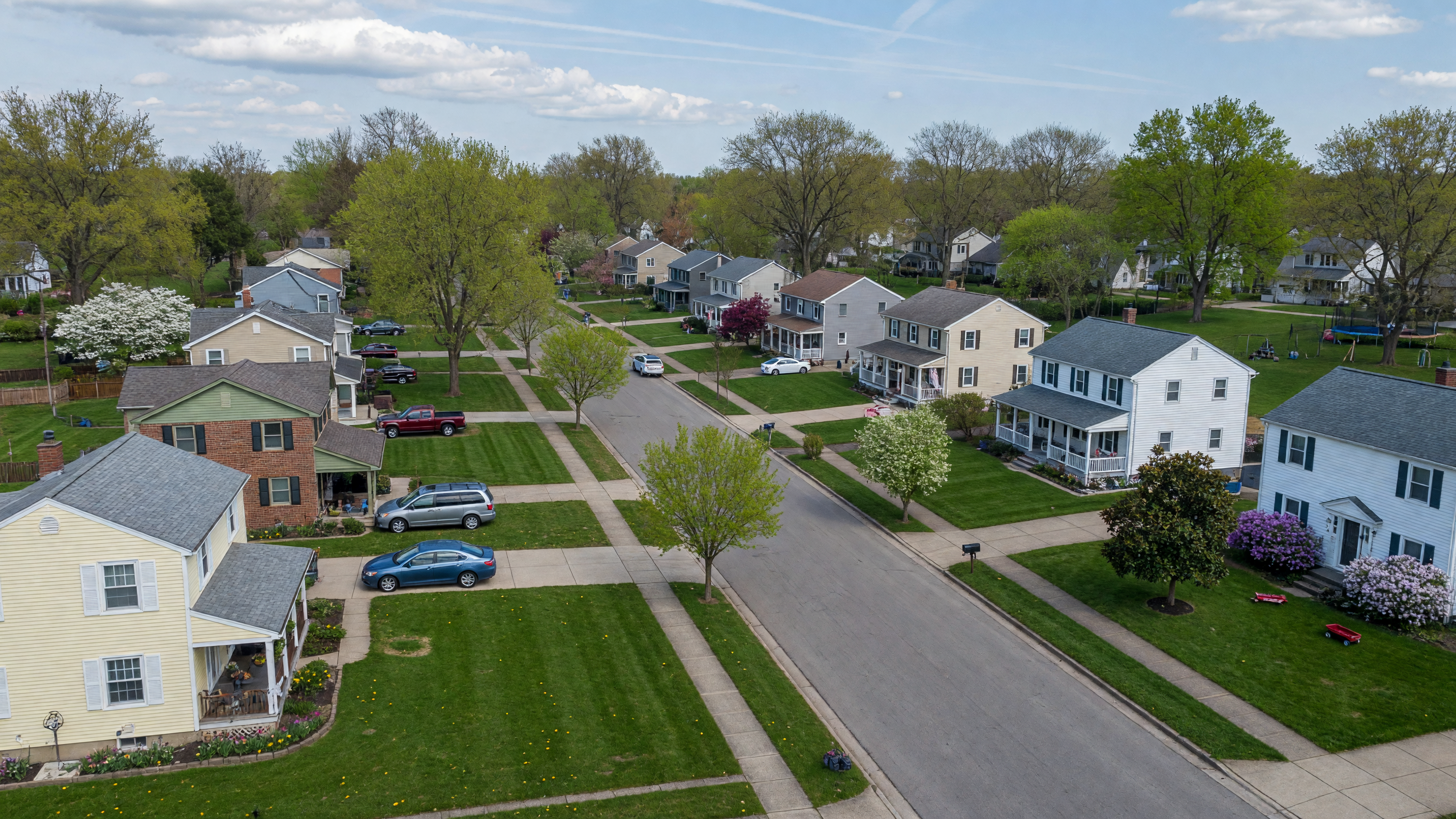
Rents in the Dayton metro have climbed 5 to 7 percent annually over the past three years, now averaging $1,150 to $1,300 per month for a two-bedroom -- while buying a median-priced home at $248,000 costs about $2,000 to $2,100 per month but builds roughly $16,800 in equity in the first year. Here's the honest breakdown of whether renting or buying makes sense for your situation in 2026.
What does rent actually cost in Dayton right now?
The average rent in the greater Dayton metro has climbed to roughly $1,150–$1,300 per month for a two-bedroom apartment or small house. In higher-demand areas — Beavercreek, Centerville, Springboro, and anywhere close to Wright-Patterson Air Force Base — you're looking at $1,400 to $1,700+. A year ago, those same units were $100–$200 less.
And here's what renters don't always realize: rent doesn't stay flat. Dayton rents have risen roughly 5–7% annually over the last three years. That means a $1,200 apartment today could be $1,350 or more by the time your lease renews in 12 months. Over five years, you're looking at cumulative rent increases of $7,000 to $10,000 — with nothing to show for it.
What does buying a home actually cost in Dayton right now?
Let's run the numbers on a median-priced Dayton-area home. At $248,000 with 5% down ($12,400), a 30-year fixed mortgage at today's 6.5% rate, plus estimated property taxes and homeowner's insurance, your all-in monthly payment lands around $2,000 to $2,100.
That's higher than rent — on paper. But here's the key difference: a portion of every mortgage payment goes toward building equity. In the first year, roughly $6,500 of your payments reduce your loan balance. Combined with the 4.2% annual appreciation the Dayton market is currently delivering, that's about $16,800 in equity gained in year one alone. That's not spending — it's saving in a different form.
Side-by-Side: Rent vs. Buy on a $248K Home
| Cost Category | Renting | Buying |
|---|---|---|
| Monthly payment | $1,250 | $2,050 |
| Monthly cost trend | ↑ 5–7%/yr | Fixed for 30 yrs |
| Equity built (Year 1) | $0 | ~$16,800 |
| Upfront cost | Security deposit | ~$12,400 down |
| Flexibility | High | Moderate |
How long do I need to stay for buying to make sense in Dayton?
The biggest factor in the rent-vs-buy decision isn't the monthly payment — it's your timeline. Buying has upfront costs (closing costs, down payment, inspection) that typically total $8,000 to $15,000. It takes roughly 3–4 years of ownership for your equity gains and fixed payments to outpace what you'd spend renting. After that, buying wins — and the gap widens every year.
If you know you'll be in Dayton for five or more years, buying almost always makes financial sense at current price levels. If you're here for a short-term work assignment or you're not sure where life takes you next, renting preserves your flexibility — and that has real value.
How much do I need for a down payment in Dayton?
This is the #1 barrier we hear about — and in Ohio, there's more help than most people realize. The Ohio Housing Finance Agency (OHFA) offers down payment assistance of up to 2.5% or 5% of the purchase price for qualifying buyers. On a $248,000 home, that's $6,200 to $12,400 — potentially covering your entire down payment.
FHA loans require just 3.5% down, and many conventional loans now allow 3% down for qualified buyers. Between OHFA assistance and low-down-payment loan programs, the upfront cost of buying in Dayton is significantly lower than most renters assume.
When does renting make more sense than buying in Dayton?
We're a brokerage — of course we think buying is great. But we also believe in honesty. Renting is the right call when:
- You're likely to relocate within 1–2 years. The transaction costs of buying and selling can eat your gains if you move too soon.
- Your credit score needs work. If you're under 620, take 6–12 months to improve it. Better credit means a better rate, which saves you tens of thousands over the life of the loan.
- You haven't built an emergency fund. Homeownership comes with unexpected costs — a furnace replacement, a roof repair. You need at least 3–6 months of expenses saved beyond your down payment.
- You're still figuring out which neighborhood fits your life. Renting in Dayton for a year while you explore Kettering, Beavercreek, Centerville, or downtown can help you avoid buying in the wrong place.
What is the bottom line for Dayton buyers in 2026?
Dayton remains one of the most affordable metro markets in the Midwest for homeownership. The monthly gap between renting and buying has narrowed as rents continue to rise, and buyers who lock in today's prices benefit from both fixed housing costs and steady appreciation. The question isn't whether buying can make sense in Dayton — it almost always does over the long term. The question is whether now is the right time for you.
A quick conversation with a local agent — someone who can run the numbers on your specific budget, timeline, and target neighborhoods — can turn this from an overwhelming decision into a clear one.
The Bottom Line
In Dayton's current market, buying builds wealth faster than renting — if you plan to stay 3+ years and can handle the upfront costs. Ohio's down payment assistance programs make the barrier to entry lower than most people think. But renting still makes sense for short timelines, tight budgets, or anyone still exploring which neighborhood fits their life. Either way, understanding the real numbers puts you ahead of most people making this decision.
Frequently Asked Questions
Is it cheaper to rent or buy in Dayton, Ohio?
On a monthly basis, renting is cheaper — averaging $1,150–$1,300 versus $2,000–$2,100 for a median-priced home. But over 5+ years, buying builds equity (roughly $16,800 in the first year at current appreciation rates) and locks in fixed payments while rents continue to rise 5–7% annually. The breakeven point in Dayton is typically 3–4 years.
How much do I need for a down payment to buy in Dayton?
Conventional loans can require as little as 3% down ($7,440 on a $248,000 home). FHA loans require 3.5% ($8,680). Ohio's OHFA down payment assistance can provide 2.5%–5% ($6,200–$12,400) as a forgivable loan or grant, potentially covering most or all of your down payment.
Are rents going up in the Dayton area?
Yes. Dayton-area rents have increased approximately 5–7% annually over the past three years. High-demand areas near Wright-Patterson Air Force Base, Beavercreek, and Centerville have seen even steeper increases. Locking in a fixed mortgage payment protects you from continued rent inflation.
Published June 19, 2026 · Updated July 10, 2026
Want us to run the numbers for you?
A Glasshouse agent can compare renting vs. buying for your specific budget, timeline, and target neighborhoods — with real data, not guesswork.
Talk to an AgentNot sure whether to rent or buy? Let's figure it out together.
Tell us a little about your situation — your timeline, budget, and what you're looking for — and we'll give you an honest answer.
No scripts, no sales pitch. Just real numbers and local perspective.
Schedule a Consultation