
July 6, 2026 · Market Updates
Should You Wait for Dayton Home Prices to Drop? What the Data Actually Says
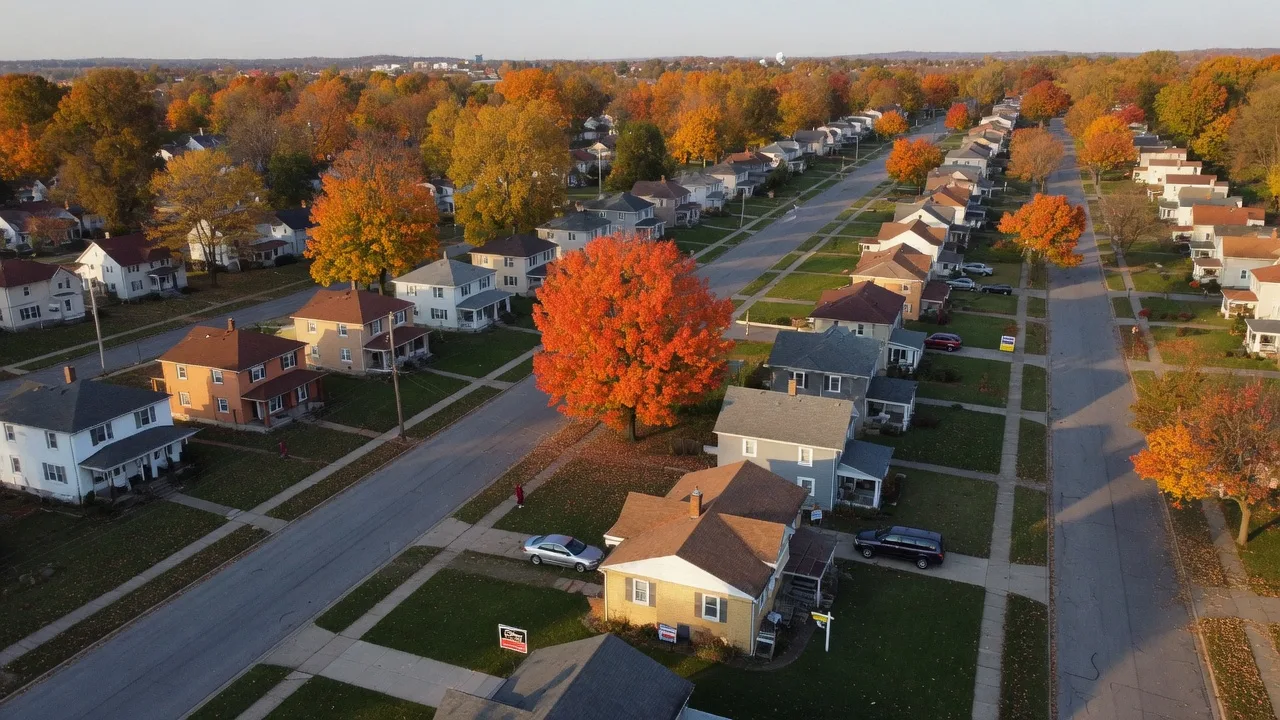
It's the question we hear more than any other right now: should I wait to buy a home in Dayton because prices are dropping? Headlines about rising inventory and price cuts make it tempting to sit on the sidelines. But the numbers tell a more nuanced story — one that matters if you're trying to make a smart move in today's market.
Here's the short answer: price reductions are real and widespread, but they don't mean the market is collapsing. They mean the market is recalibrating — and if you understand why, you can use that to your advantage.
What the Dayton Data Actually Shows
Over 40 percent of active listings in the Dayton metro have seen at least one price reduction — a significant jump from the year before. That number has caught a lot of attention, and understandably so. If nearly half the market is cutting prices, it feels like a buyer's moment.
But context matters. Here's what else is happening at the same time:
- Homes are selling faster. Average days on market has dropped to around 43 days, down significantly from 88 days a year ago. That means well-priced homes are moving quickly.
- Median sale prices are holding. Despite the volume of price cuts, the median sale price in the broader Dayton area has remained stable — hovering in the $239,000 to $245,000 range for existing-home sales.
- Inventory is still tight. With roughly 3.8 months of supply, Dayton remains a seller-favored market. A balanced market typically sits at five to six months.
- Starter homes are still competitive. In the $180,000 to $300,000 range — the sweet spot for first-time buyers and young families — multiple offers are still common, especially in Beavercreek, Centerville, Kettering, and Huber Heights.
So Why Are So Many Listings Seeing Price Cuts?
The answer is straightforward: many sellers overpriced their homes. During the post-pandemic frenzy, some sellers got accustomed to list-and-wait-for-bids expectations. When the market shifted to a more sustainable pace, those aspirational price tags didn't hold. The price reductions you're seeing aren't necessarily a sign of a crashing market — they're a sign of a correcting one, where homes are being repositioned to meet actual buyer demand.
In neighborhoods where demand is strong and inventory is low — places like Oakwood, Centerville's established subdivisions, or the more walkable corridors in Kettering — homes priced correctly from day one are still moving fast and close to list price.
What This Means If You're a Buyer
The price reduction trend is creating real opportunity — but only for buyers who are prepared and strategic. Here's the play:
- Target listings that have been on the market for 21+ days. These are the homes where sellers are most likely to negotiate. A property that's lingered past the initial interest window often signals room on price or closing-cost concessions.
- Don't assume every price drop is a deal. Some drops bring a home back to fair market value after an inflated ask. That's not a discount — it's a correction. Your agent should run comps to tell you the difference.
- Get pre-approved before you tour. In this market, the buyer who can act fast still has an edge. Sellers give more weight to offers with financing already in place.
- Think long-term. Dayton's population and employment base — anchored by Wright-Patterson Air Force Base, the healthcare sector, and a growing tech corridor — aren't going anywhere. The fundamentals that support home values here remain solid.
And If You're a Seller?
The takeaway is equally clear: pricing right from day one matters more than ever. Buyers have more choices and more information than they did two years ago. A home that hits the market at a fair, data-supported price will attract attention quickly. A home that starts high and chases the market down will sit — and ultimately sell for less than it would have if it had been priced correctly from the start.
That's where working with a brokerage that knows the local numbers inside and out makes a real difference. At Glasshouse Realty, we don't guess at list prices — we research them, neighborhood by neighborhood, street by street.
The Bottom Line
Dayton's market is adjusting — not collapsing. Price cuts are widespread, but so is demand for well-priced homes in desirable neighborhoods. If you're a buyer waiting for a dramatic crash, the data doesn't support that expectation. What it does support is a market where informed, prepared buyers can find value — especially in the $180K to $300K range where competition has cooled slightly. The key is working with a local team that can tell you which price drops represent genuine opportunity and which are just corrections back to reality.
Curious about what's happening in a specific Dayton neighborhood or community? We track the numbers across the entire metro — from Dayton and Beavercreek to Troy, Wilmington, and everywhere in between.
The Difference is Clear.
Published July 10, 2026 · Updated July 10, 2026
Ready to make your move? Let's talk strategy.
Whether you're waiting for the right moment or ready to act now, a Glasshouse agent can walk you through the current data for your target neighborhood — no pressure, just facts.
Get in TouchThinking about buying in Dayton? Let's look at the numbers together.
We'll break down the latest market data for the neighborhoods you're watching — so you can make a confident, informed decision.
Fill out the form and a Glasshouse agent will reach out with honest, local insight — no pressure, no sales pitch.
Schedule a Consultation