
September 15, 2026 · Investor Resources
Why Dayton Ohio Is a Top Market for Rental Property Investors in 2026: Cap Rates, Cash Flow, and Neighborhood Picks
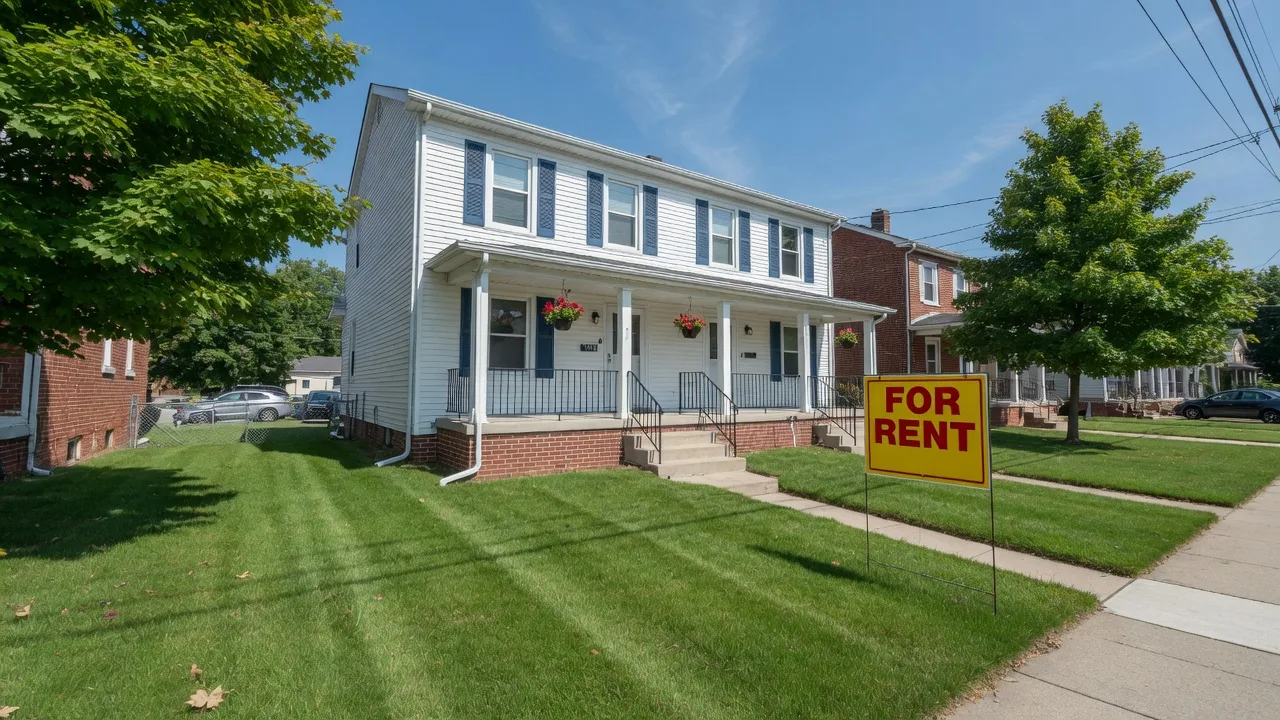
For real estate investors looking for markets with strong cash flow potential, manageable entry prices, and steady rental demand, Dayton Ohio continues to stand out as one of the Midwest's most attractive opportunities in 2026. While coastal markets have become prohibitively expensive and many Sun Belt cities have seen prices outpace fundamentals, Dayton offers a rare combination: affordable property prices, solid rental yields, and a growing tenant pool driven by a diversified local economy. Here is a detailed look at why Dayton should be on every rental property investor's radar and which neighborhoods offer the best returns.
Why Dayton Ohio Works for Rental Property Investors
Several structural factors make the Dayton metro area a compelling market for buy-and-hold rental investors:
- Affordable entry prices. The Dayton median home price of approximately $285,000 is significantly below the national median of roughly $420,000. In many Dayton neighborhoods, single-family homes can be purchased for $150,000 to $250,000 -- making the 1% rule (monthly rent equals 1% of purchase price) achievable in the right areas.
- Strong rental demand. Wright-Patterson Air Force Base employs over 27,000 military and civilian personnel, creating a steady pipeline of renters who need housing near the base. Wright State University, the University of Dayton, and Sinclair Community College add student rental demand.
- Favorable price-to-rent ratio. Dayton's price-to-rent ratio is approximately 13, compared to the national average of 18. That means rental yields are significantly higher in Dayton than in most U.S. markets.
- Diversified economy. Beyond Wright-Patt, Dayton's economy includes healthcare (Premier Health, Kettering Health), manufacturing, logistics, and a growing tech sector -- providing employment stability that supports rental demand.
Cap Rates and Cash Flow: What Dayton Delivers in 2026
Cap rates in the Dayton market currently range from 7% to 9% for well-selected single-family rental properties, and 8% to 10% for small multifamily properties (duplexes and triplexes). These returns are competitive with other Midwest markets and significantly higher than what investors can find in coastal or Sun Belt cities.
Here is a realistic cash flow projection for a typical Dayton rental property in 2026:
Sample Cash Flow: $200,000 Single-Family Home in Dayton
- Purchase price $200,000
- Down payment (20%) $40,000
- Monthly rent (estimated) $1,800
- Mortgage (P&I, 6.5%, 30yr) -$1,011
- Property taxes (est.) -$300
- Insurance -$100
- Property management (8%) -$144
- Vacancy reserve (5%) -$90
- Maintenance reserve (8%) -$144
- Monthly cash flow $11
Note: Cash flow improves significantly with a larger down payment, lower interest rate, or higher rent. Self-managed properties can save 8% management fees.
While the cash flow on this example is modest initially, the key metrics that matter for long-term investors are the cap rate (approximately 7.5% on this property) and the appreciation potential. Over a 5- to 10-year hold period, moderate appreciation of 3% to 4% per year combined with debt paydown and rent growth can generate attractive total returns.

Best Dayton Neighborhoods for Rental Property Investors
Not all Dayton neighborhoods offer the same investor potential. Here are the areas we recommend for different investment strategies:
Huber Heights: Best for Cash Flow
Huber Heights offers some of the best cash flow in the Dayton metro. With median home prices around $200,000 to $240,000 and strong rental demand from Wright-Patterson personnel and families, investors can achieve cap rates approaching 9%. The neighborhood's highway access (I-70, I-75) and amenities make it attractive to tenants.
Kettering: Best for Long-Term Appreciation
Kettering's central location, strong schools, and desirable housing stock make it a solid choice for investors seeking a mix of cash flow and appreciation. Entry prices are higher ($230,000 to $300,000), but the tenant pool is strong and property values have consistently outperformed the metro average.
Fairborn: Best for Wright-Patterson Exposure
Fairborn sits adjacent to Wright-Patterson AFB and offers more affordable entry prices ($150,000 to $200,000) with strong, consistent tenant demand from base personnel. Cap rates of 8% to 10% are achievable, and the rental market here is less sensitive to broader economic cycles due to the base's stable employment.
Beavercreek: Best for Premium Rentals
Beavercreek attracts higher-income tenants, including defense contractors, military officers, and professionals. Entry prices are higher ($280,000+), but rent premiums are significant. Cap rates are lower (6% to 7%) but offset by stronger appreciation and lower turnover.
Turnkey vs. Fix-and-Flip: What Works in Dayton
Dayton offers opportunities for both turnkey investors and fix-and-flip operators. The city's older housing stock in neighborhoods like Kettering and Oakwood provides renovation opportunities, while newer construction in Beavercreek and Springboro suits turnkey buyers. For a deeper comparison of these strategies, see our turnkey vs. fix-and-flip guide for Dayton investors.
Key Metrics for Dayton Rental Properties
- Typical cap rate (single-family) 7% -- 9%
- Typical cap rate (small multifamily) 8% -- 10%
- Average rent (3BR single-family) $1,500 -- $2,000
- Price-to-rent ratio 13 (vs. 18 national)
- Property tax rate (approx.) 1.7% of assessed value
- Average vacancy rate 4% -- 6%
Tax Advantages and Ohio-Specific Considerations
Ohio offers several advantages for real estate investors. The state has a flat income tax rate of approximately 3.5%, and rental income is taxed at that rate rather than a progressive bracket. Ohio also allows for bonus depreciation on qualified improvement property, which can significantly reduce taxable income in the first year of ownership.
For out-of-state investors, property management is readily available across the Dayton metro at standard rates of 8% to 10% of monthly rent. Several reputable firms specialize in single-family rental management. Self-managing is also feasible for local investors, particularly in neighborhoods near Glasshouse Realty's offices.
How Glasshouse Realty Helps Investors
Our agents work with investors every day. We know which neighborhoods have the strongest rental demand, which properties need what kind of renovation, and how to evaluate a deal using real market data rather than generic estimates. We can connect you with local lenders, property managers, contractors, and tax professionals who understand the Dayton market.
For more on investing in Dayton, explore our comprehensive Dayton investor guide, our cap rate and cash flow analysis, and our neighborhood guide for investors. Or call (937) 949-0006 to speak directly with an investor-focused agent.
Ready to invest in Dayton real estate?
Glasshouse Realty's investor-focused agents can help you find, analyze, and close on the right rental property. Contact us today for a market briefing.
Talk to an Investor AgentFrequently Asked Questions
Is Dayton Ohio a good market for rental property investors?
Yes. Dayton offers affordable entry prices, strong rental demand from Wright-Patterson AFB and local universities, competitive cap rates of 7% to 10%, and a price-to-rent ratio of 13 that favors investors. It is consistently ranked as one of the best Midwest markets for buy-and-hold rental investing.
What are typical cap rates for rental properties in Dayton Ohio?
Single-family rental properties in Dayton typically generate cap rates of 7% to 9%. Small multifamily properties (duplexes, triplexes) can achieve 8% to 10%. Cap rates vary by neighborhood, property condition, and purchase price.
Which Dayton neighborhoods are best for rental property investment?
Huber Heights and Fairborn offer the best cash flow with strong cap rates. Kettering provides a balance of appreciation and cash flow. Beavercreek is best for premium rentals with higher-income tenants. Each neighborhood suits a different investor strategy.
Is it better to invest in single-family homes or multifamily in Dayton?
Both strategies work well in Dayton. Single-family homes offer easier financing and broader tenant pool. Small multifamily (duplex to quadplex) offers higher cash flow potential but requires more capital and property management experience. Many successful Dayton investors start with single-family and graduate to multifamily.
Published September 15, 2026 · Updated September 15, 2026
The Difference is Clear
300+ agents, 14 offices, zero desk fees. Glasshouse Realty is the independent brokerage that puts agents and clients first.
Join Glasshouse RealtyInterested in Dayton investment property?
Our agents can help you analyze deals, find the right neighborhoods, and build a profitable portfolio in the Miami Valley.
Data-driven investing. The Difference is Clear.
Schedule a Consultation