
August 10, 2026 · Market Updates
Turnkey vs Fix-and-Flip in Dayton Ohio: Which Investment Strategy Works Best?
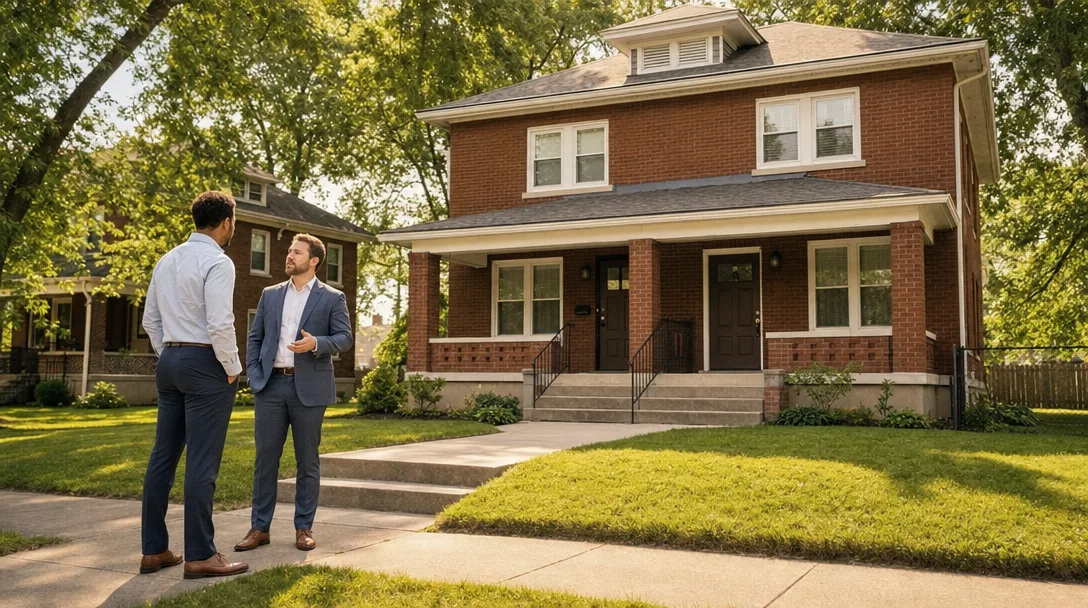
Dayton Ohio has become a hotspot for real estate investors seeking strong returns at reasonable entry prices. But for investors new to the market, a key question arises: should you buy a turnkey rental property that is move-in ready, or pursue a fix-and-flip that requires renovation before you can generate returns? Both strategies have their place in the Dayton market. Here is how to decide which approach fits your goals, timeline, and risk tolerance.
The Turnkey Investment Strategy
A turnkey property is one that is already renovated, occupied (or ready to be rented), and requires no immediate work from the investor. These properties are typically sold by companies or investors who have completed the renovation and are looking to recycle their capital into the next project.
Pros: Immediate cash flow, no renovation headaches, predictable expenses, and the ability to invest from out of state. Turnkey properties in neighborhoods like Kettering and Huber Heights can offer cap rates in the 6-9% range, depending on the specific property and purchase price.
Cons: Higher purchase price (you are paying for the renovation), lower overall return on investment, and you are relying on the quality of someone else's renovation work.
The Fix-and-Flip / Value-Add Strategy
Fix-and-flip or value-add investing involves purchasing a property that needs work, renovating it, and either selling it for a profit (flip) or renting it out at a higher rate (buy-and-hold value-add). Dayton's older housing stock in neighborhoods like Oakwood, Centerville, and Fairborn offers plenty of opportunities for this strategy.
Pros: Lower purchase price, higher potential returns, equity built through renovation, and the ability to customize the property to market demand. Successful flips in the Dayton market can yield 15-25% returns on capital.
Cons: Requires renovation expertise or a trusted contractor team, carries execution risk (cost overruns, timeline delays), requires more active management, and ties up capital during the renovation period.

Which Dayton Neighborhoods Work Best for Each Strategy?
- Turnkey rentals: Kettering, Huber Heights, Beavercreek and Troy offer stable rental demand and good cap rates for move-in-ready properties.
- Fix-and-flip: Oakwood, Centerville, and Bellbrook have older homes with renovation potential and strong resale values.
- Value-add rentals: Fairborn, Tipp City, and Springfield offer lower entry prices with strong rent growth potential after renovation.
Crunching the Numbers in Dayton
Regardless of which strategy you choose, running the numbers carefully is essential. For turnkey properties, focus on the cap rate, cash-on-cash return, and the quality of the renovation. For fix-and-flip properties, focus on the after-repair value (ARV), renovation budget accuracy, and holding costs. Our mortgage calculator can help you estimate monthly payments for investment properties.
For investors who want to explore both strategies in depth, our Investor Academy covers everything from cap rates and cash flow analysis to 1031 exchanges and Ohio landlord-tenant law. And our investor guide provides a comprehensive overview of the Dayton investment market.
Ready to invest in Dayton real estate?
Our team can help you evaluate turnkey and fix-and-flip opportunities across the Dayton metro. Contact us or call (937) 949-0006.
Explore Investor AcademyPublished August 10, 2026 · Updated August 10, 2026
Build Wealth Through Dayton Real Estate
Whether turnkey or fix-and-flip, our investor specialists can help you find the right opportunity.
Learn More About InvestingInterested in Dayton real estate investing?
Get expert guidance on finding and financing the right investment property for your goals.
The Difference is Clear.
Schedule a Consultation